Finding the Best Coffee Shops and Local Bakeries

The hiss of a steam wand hitting a milk pitcher, the sharp aroma of freshly ground Ethiopian beans, and the rhythmic clinking of ceramic spoons against saucers define the morning ritual in any vibrant city. This guide identifies the best coffee shops and local bakeries by looking at quality, atmosphere, and local authenticity. We’re diving into how to spot a real specialty cafe versus a generic chain and where to find the best baked goods that aren't mass-produced.
What Makes a Great Coffee Shop?
A great coffee shop relies on high-quality beans, skilled baristas, and a consistent roasting process. It isn't just about a caffeine hit; it's about the technical precision of the brew. You want to see a shop that treats coffee like a craft, much like a winemaker treats a vintage. Look for shops that list the specific origin of their beans—whether it's a single-origin bean from a farm in Colombia or a specific blend from a local roaster.
The equipment matters too. If you see a high-end machine like a La Marzocco espresso machine, you're likely in a place that takes its temperature stability seriously. It’s a sign of intent. A shop that invests in top-tier gear usually cares about the science of extraction.
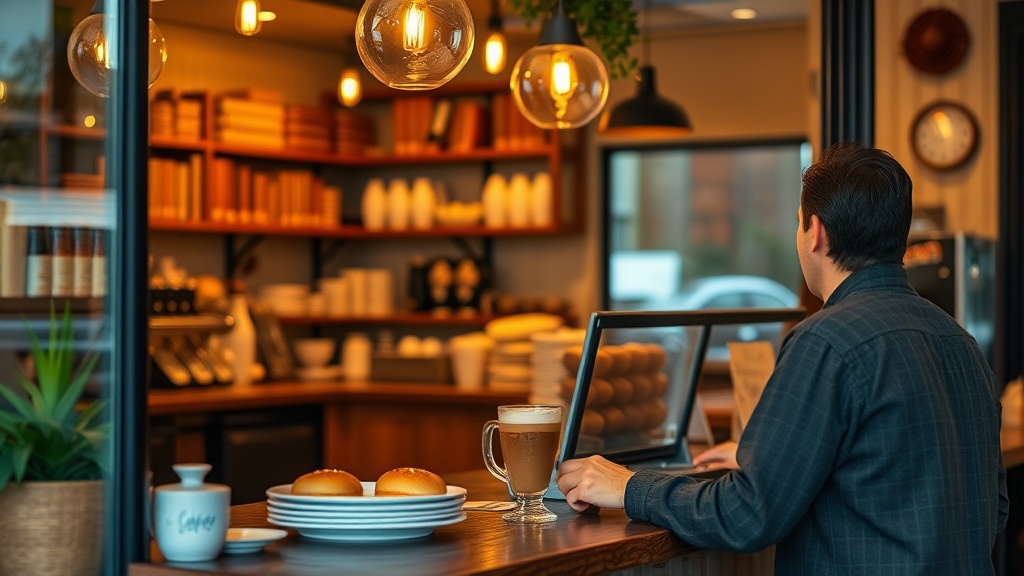
Beyond the liquid in the cup, the environment dictates the experience. Some shops are built for the "laptop nomad" crowd, offering fast Wi-Fi and plenty of outlets. Others are strictly "no laptop" zones designed to encourage conversation. Neither is wrong, but you need to know which one you're walking into. If you're trying to get work done, don't end up in a boutique cafe that bans electronics.
Check for these indicators of quality:
- Single-Origin Options: Knowing exactly where the beans came from tells you the shop isn't just buying bulk bags from a warehouse.
- Light to Medium Roasts: If everything is dark and oily, the shop might be trying to hide low-quality beans.
- Seasonal Syrups: Real cafes make their own syrups rather than using neon-colored, artificial bottles.
- The Barista's Knowledge: A good barista can explain the difference between a flat white and a latte without hesitation.
Finding these spots often requires a bit of digging. You won't find the best stuff on the first page of a generic search result. You have to look for the places that local enthusiasts frequent. This often aligns with the charm of mid-sized cities, where the coffee scene is large enough to be specialized but small enough to feel community-driven.
Where Can You Find Authentic Local Bakeries?
Authentic local bakeries are found in neighborhoods where artisanal techniques take precedence over high-volume production. You'll find them in small-scale storefronts that prioritize sourdough starters, laminated doughs, and seasonal ingredients. These places usually have a limited menu that changes based on what's fresh.
The hallmark of a real bakery is the texture of the bread. A crust should be crisp and crackly, while the interior remains soft and airy. If you see a shop selling "bread" that looks identical to the sliced loaves in a grocery store, move on. You want the bakery that has a small queue of locals waiting for the morning's first batch of croissants or sourdough.
The difference between a commercial bakery and an artisanal one is often visible in the ingredients. A true local bakery will use real butter—not margarine—and high-quality flour. This is why the flavor profile is so much more complex. It’s a subtle difference, but once you taste it, you can't go back to the cheap stuff.
Here is a quick comparison of what to look for when choosing between a commercial chain and a local bakery:
| Feature | Commercial Chain | Local Artisan Bakery |
|---|---|---|
| Ingredients | Preservatives and shelf-stable fats | High-quality butter, real fruit, organic flour |
| Menu Variety | Static, nationwide menu | Seasonal, rotating, and hyper-local |
| Texture | Uniform and soft (often via additives) | Variable, crusty, and complex |
| Vibe | Efficient and transactional | Community-focused and cozy |
When you're traveling, these bakeries are the best places to sit and soak in the local culture. It's much more rewarding than a quick breakfast at a hotel. It's part of understanding a city's true rhythm.
How Much Does a Coffee and Pastry Cost?
Prices vary wildly depending on the city and the quality of the establishment, but you should expect to pay a premium for specialty goods. In a major metropolitan area, a high-end latte might run you $5.00 to $7.00, while a hand-laminated croissant could easily hit $6.00 or more. This is a fair price for the labor and high-grade ingredients involved.
Don't be surprised if a "specialty" shop has a higher price point than a standard coffee shop. You're paying for the skill of the person behind the bar and the quality of the beans. If you're on a strict budget, it's worth noting that these prices are often a reflection of the small-batch production methods used.
Pro-Tip: Always check if the shop has a "cash only" policy before you arrive. While many modern cafes take card, some of the most authentic, small-scale bakeries still rely on cash or mobile payments. It's a small detail that can save you a lot of frustration during a busy morning.
If you're looking to save a little, look for "neighborhood" spots rather than "destination" spots. The destination shops often have a "tourist tax" built into their pricing. The local spot around the corner might offer a similar quality of brew for a slightly lower price and a much more relaxed atmosphere.
The search for the perfect cup and the perfect crumb is part of the fun of exploring a new place. It forces you to step away from the main thoroughfares and into the side streets. You'll find that the best experiences rarely happen on the main drag. They happen in that tiny corner shop with the slightly crooked sign and the smell of toasted cinnamon that draws you in from a block away.
Whether you're looking for a place to sit with a book or a quick caffeine hit before a museum visit, knowing how to vet these establishments makes all the difference. A good coffee shop isn't just a business; it's a landmark. A good bakery isn't just a shop; it's a sensory experience. Seek out the places that treat their craft with respect, and you'll never have a bad morning.