Why You Need a Mid-Sized City for Your Next Trip

What makes a mid-sized city different from a metropolis?
This post breaks down why mid-sized cities offer a unique sweet spot for travelers who want more than a tourist trap but less than the chaos of a global hub. You'll learn how these destinations provide a more authentic cultural experience, lower costs, and a way to actually see the sights without feeling like a number in a crowd.
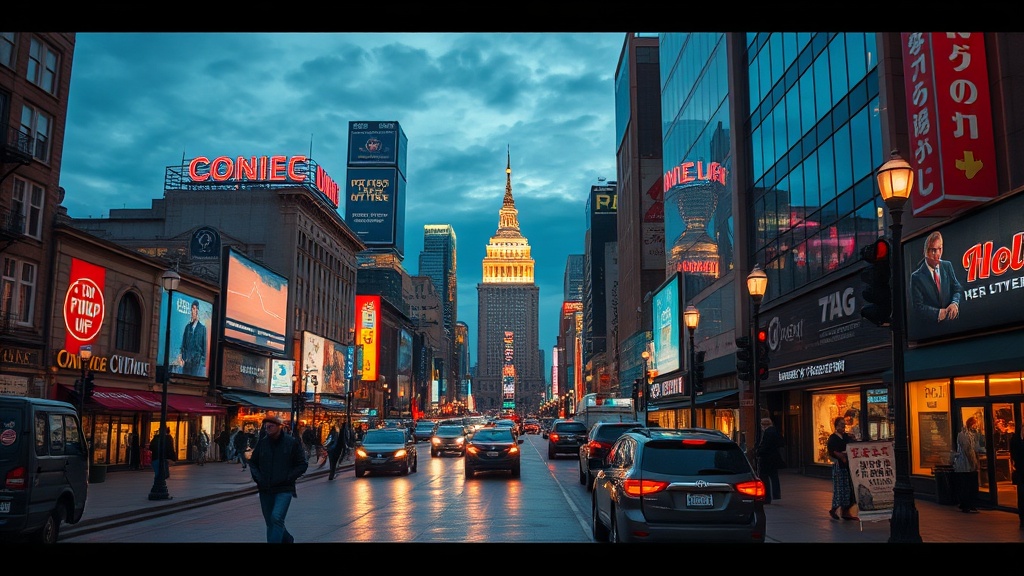
We've all seen the photos of the massive, neon-soaked streets of Tokyo or New York. They look incredible—on a screen, at least. But the reality often involves fighting for space on a subway car or paying twenty dollars for a mediocre sandwich just because you're in a high-traffic zone. Mid-sized cities (think places like Portland, Asheville, or even parts of Tucson) occupy a middle ground. They have enough infrastructure to support you, but they haven't lost their soul to global chain dominance yet.
In a major metropolis, you're often a spectator. In a mid-sized city, you can actually participate. The scale is human. You can walk from a local coffee shop to a world-class art gallery without needing a three-hour wayfinding plan. It's about the ability to wander without the constant pressure of a crowd pushing you toward the next landmark.
Is it cheaper to travel to smaller cities?
The short answer is yes, but it's not just about the price tag on the hotel room. It's about the density of value. In a massive city, you're often paying a premium for the "prestige" of the location. In a mid-sized city, your money goes much further. You might find a high-end tasting menu at a local bistro for a fraction of what a Michelin-starred spot in London would charge.
Consider the following breakdown of typical costs when comparing a major hub to a mid-sized destination:
| Expense Type | Major Metro (High) | Mid-Sized City (Medium/Low) |
|---|---|---|
| Dining Out | High (Expect high service fees) | Moderate (Better value for quality) |
| Accommodation | Very High (Often tiny spaces) | Moderate (More room for your money) |
| Transportation | High (Public transit + Uber surges) | Low (Easier to walk or bike) |
While you might not find a twenty-story subway system, you also won't find the soul-crushing surge pricing that hits every time a single raindrop hits the pavement. Most of these cities are highly walkable or have manageable transit systems that don't require a PhD to understand. You can rely on local ride-share services or even a reliable bike-share program without the logistical headache of a massive urban sprawl.
Where can I find authentic local culture?
One of the biggest problems with "over-tourism" in major cities is that the local culture gets sanitized. When a city becomes too popular, the local dive bar gets turned into a boutique hotel, and the street food vendor gets replaced by a franchise. This is where mid-sized cities shine. The culture is still evolving, not just being preserved for tourists.
When you visit a place that isn't constantly fighting to stay relevant on a global scale, you find the real stuff. You find the local musicians playing in a basement that isn't a designated "venue," and you find the food that reflects the actual history of the region rather than a trend on social media. If you want to see how a community actually lives, look toward the places that aren't on every single "Top 10" list. You can check out Lonely Planet for destination ideas, but don't expect to find every hidden gem there—the best spots are often the ones the guides haven't quite mastered yet.
The benefit of the "Slow Travel" approach
Mid-sized cities are built for the slow traveler. If you're someone who likes to sit in a park for two hours reading a book, you'll feel out of place in a fast-paced metropolis. In a mid-sized city, that's just a Tuesday. There is a rhythm to these places that allows you to actually breathe. You aren't rushing to catch the next train; you're actually experiencing the atmosphere.
This approach lets you build a relationship with the city. You start to recognize the person at the bakery. You learn which street corner has the best light for a photo. You aren't just checking boxes on a list; you're actually being present. This is why we suggest looking at TripAdvisor reviews not just for the big landmarks, but for the small, local-run shops. That's where the real personality of the city lives.
How do I plan a trip to a lesser-known city?
Planning can be a little different when you can't just Google "top things to do" and get 5,000 identical articles. You have to be a bit more proactive. Instead of looking for the most popular landmarks, look for the local hubs. Where do the locals go for coffee? Where is the community center? What is the neighborhood's primary industry?
A few tips for your planning phase:
- Use Social Media Geotags: Don't just look at the big names. Look at the small, local businesses in your target area to see what the vibe is.
- Check Local Event Calendars: Most mid-sized cities have a local arts or community council website. This is where the real action is.
- Talk to the Service Industry: If you're already there, ask the person making your coffee where they go for a drink on a Friday night. They'll give you better advice than any algorithm.
The goal isn't to find the "best" place in the world—it's to find the place that feels right for you. Whether it's a desert city in the Southwest or a coastal town in the Pacific Northwest, these mid-sized hubs offer a level of intimacy that a massive city just can't replicate. They are the perfect places to lose yourself, if only for a few days.