
The One City Travel Trick That Instantly Makes You Feel Like a Local

Quick Tip
Anchor your trip around one repeatable local routine and stick to it daily.
Tip: Build your entire city experience around one hyper-local routine—then repeat it.
Most travelers chase highlights. Landmarks, top-rated restaurants, “must-see” neighborhoods. You check them off, take photos, and leave with the strange feeling that you visited a place without actually knowing it.
Here’s the shift that changes everything: stop trying to see everything, and instead anchor your trip around one small, repeatable, local habit. Do it daily. Do it intentionally. Let the city reveal itself through that rhythm.
Why This Works (When Checklists Don’t)
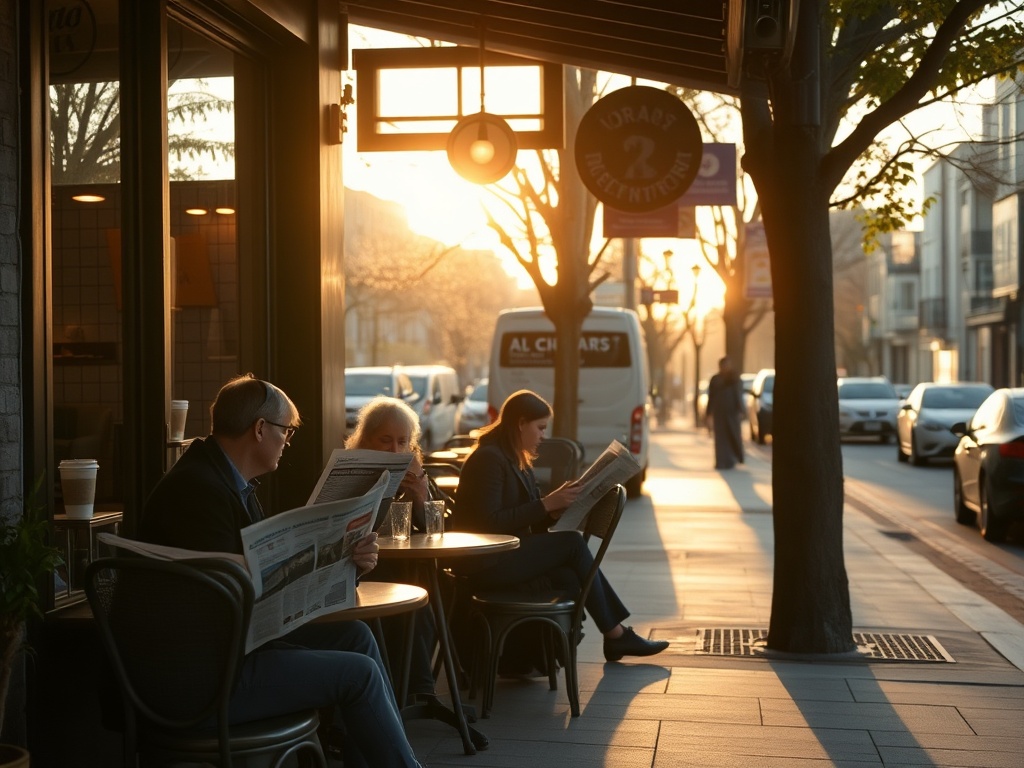
Cities aren’t built to be consumed in highlights. They’re lived in patterns. Morning coffee. Evening walks. Grocery runs. Casual conversations. When you step into one of those patterns—even briefly—you stop being a visitor passing through and start becoming part of the backdrop.
That’s where the real texture of a city shows up: overheard conversations, familiar faces, staff who recognize you on day two, the subtle differences between weekdays and weekends. None of that appears on a list of “top 10 things to do.”
And once you experience it, you’ll realize something uncomfortable: most travel advice is optimized for movement, not connection.

Choosing Your One Local Ritual
The key is simplicity. You’re not trying to build an itinerary—you’re choosing a daily anchor. Something easy to repeat, flexible enough to adapt, and rooted in local behavior.
- The morning coffee loop: Same café, same time, different observation each day.
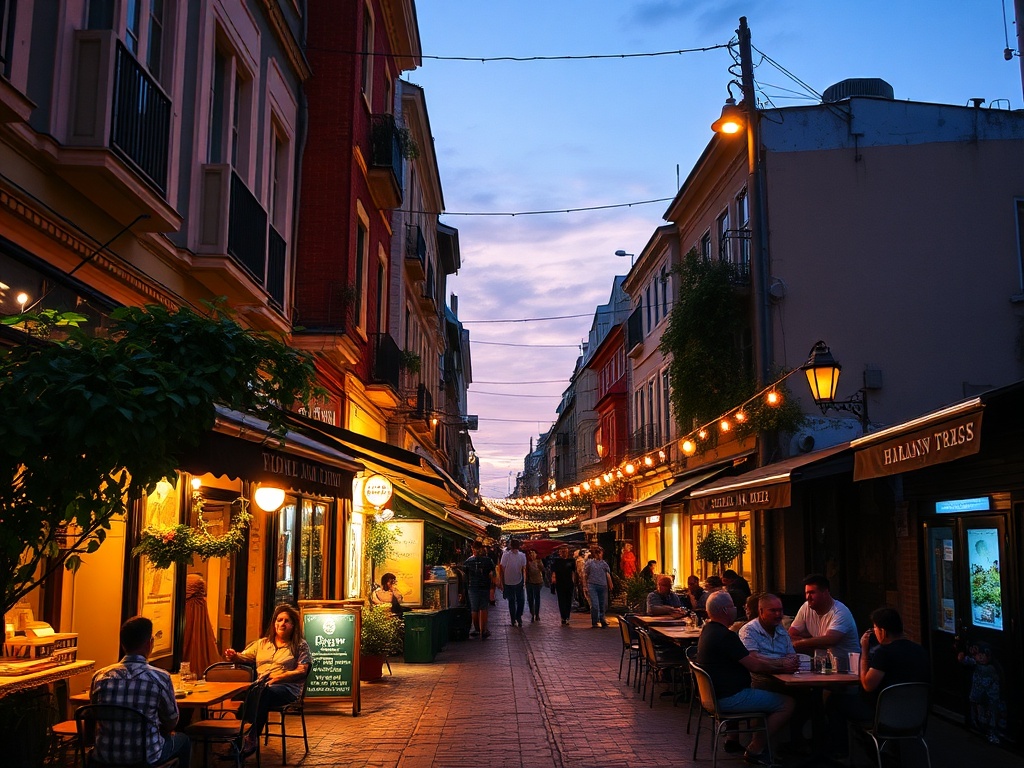
- The evening walk: A specific neighborhood route as the city transitions into night.
- The food ritual: One local dish, tried in different spots across the city.
- The public transit ride: Same line, same time window—watch how the crowd changes.
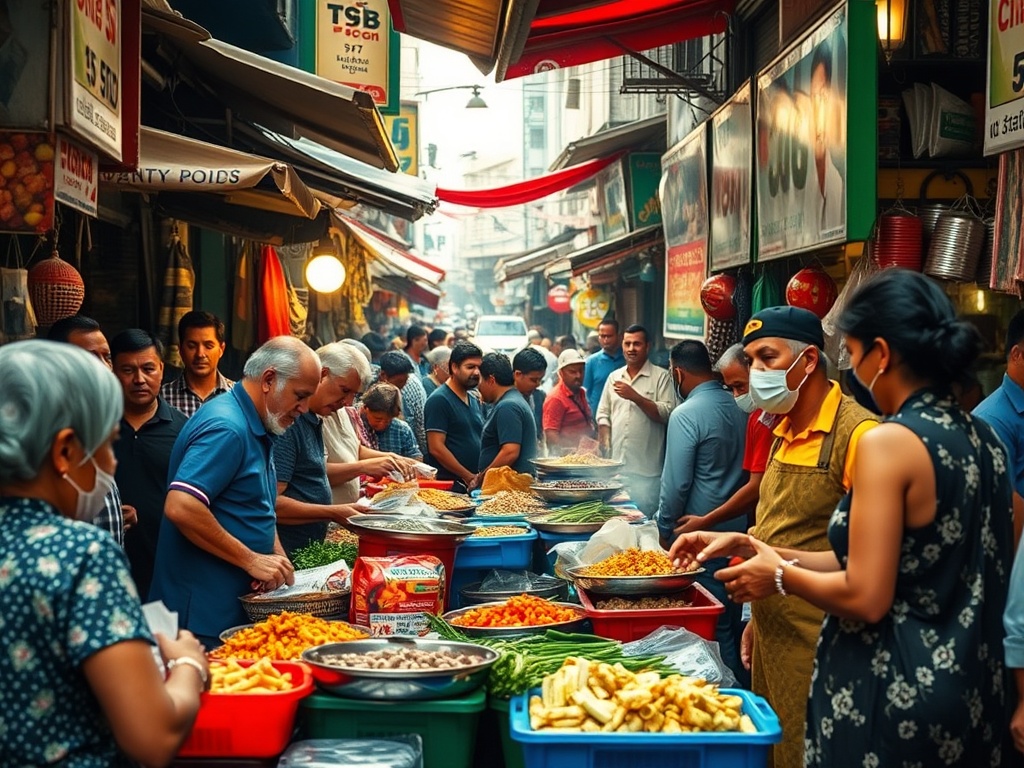
- The market visit: Daily stop at a local market, even if you buy nothing.
The ritual itself doesn’t matter as much as the repetition. That’s what unlocks familiarity.
What Changes After Day Two
The first time you do it, you’re still a tourist. You’re observing. Maybe even overthinking it.
By the second or third time, something shifts:
- You stop checking directions constantly.
- You recognize faces—even if you don’t speak.
- You notice what’s different today.
- You start making micro-decisions like a local.
This is where cities open up. Not because you unlocked a secret location, but because you slowed down enough to see patterns.
And once you’re in that mindset, everything else you do—museums, restaurants, neighborhoods—feels more grounded.
Layering Exploration on Top of Routine
This approach doesn’t mean you skip major sights. It means you stop letting them dictate your entire experience.
Instead, your day might look like this:
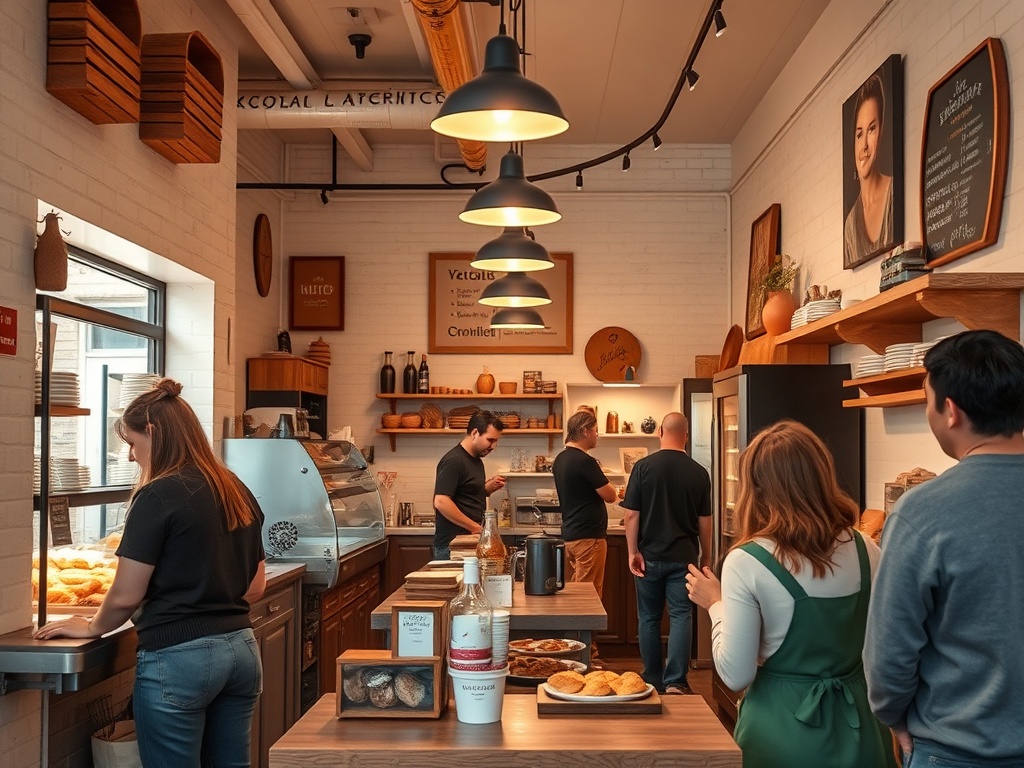
- Morning coffee at your spot
- Explore one major attraction
- Lunch somewhere spontaneous
- Afternoon wander in a different neighborhood
- Return to your ritual (walk, market, or food stop)
The ritual becomes your reset point. It stabilizes your day, prevents decision fatigue, and creates a sense of continuity across an otherwise fragmented trip.
Without it, every day feels like a disconnected highlight reel.
The Psychological Edge Most Travelers Miss
There’s a deeper reason this works: humans attach meaning through repetition. When you revisit the same place or routine, your brain starts building a narrative instead of collecting snapshots.
You’re no longer just “in a city.” You have a place in it—even if temporary.
This reduces the common travel burnout that hits around day three or four. You know the feeling: everything starts blending together. Another street. Another café. Another viewpoint.
A daily ritual cuts through that. It gives your brain a reference point, something stable in a constantly changing environment.

Common Mistakes (That Break the Effect)
- Overcomplicating the ritual: If it requires planning, you won’t stick to it.
- Switching locations every day: Familiarity only comes from repetition.
- Treating it like a checklist: The point is presence, not completion.
- Choosing tourist-heavy spots: You want local rhythm, not performance.
Keep it simple. Keep it consistent. Let the city do the rest.
Where This Works Best
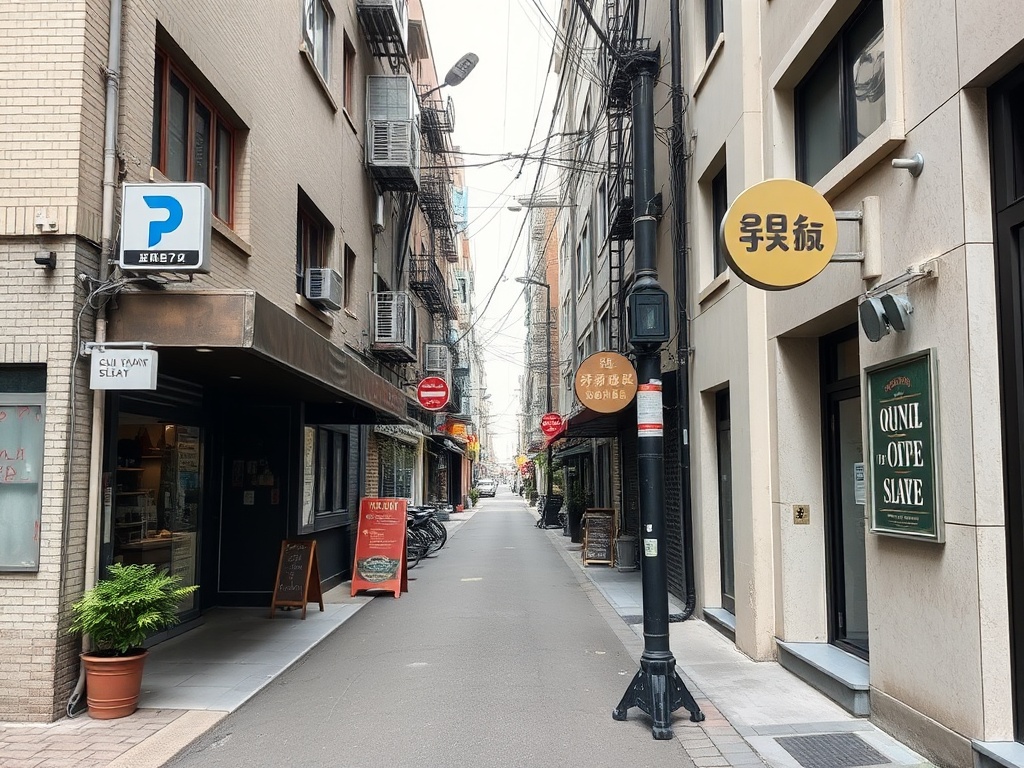
This strategy shines in cities with strong neighborhood identities—places where daily life varies block by block.
Think cities where culture isn’t centralized in one landmark but spread across routines, habits, and micro-communities. That’s where repetition reveals something new each time.
It also works surprisingly well on short trips. Even two or three repetitions can shift how you experience a place.
You don’t need weeks. You just need consistency.

The Takeaway
If you want to feel like you actually experienced a city—not just visited it—stop chasing more and start repeating something small.
Pick one local habit. Do it every day. Pay attention to what changes.
That’s the difference between seeing a city and understanding it.