
How to Experience a City Like a Local: A No-BS Guide to Urban Travel

Most travel advice is built for tourists. It’s optimized for efficiency, convenience, and Instagram—not for understanding a place. If you actually want to experience a city, you need to break out of that script.
This guide is about moving through a city like someone who belongs there, even if you’re only visiting for a few days. It’s not about checking boxes—it’s about building a rhythm, noticing patterns, and engaging with the culture in a way that feels real.
Stop Treating the City Like a Checklist
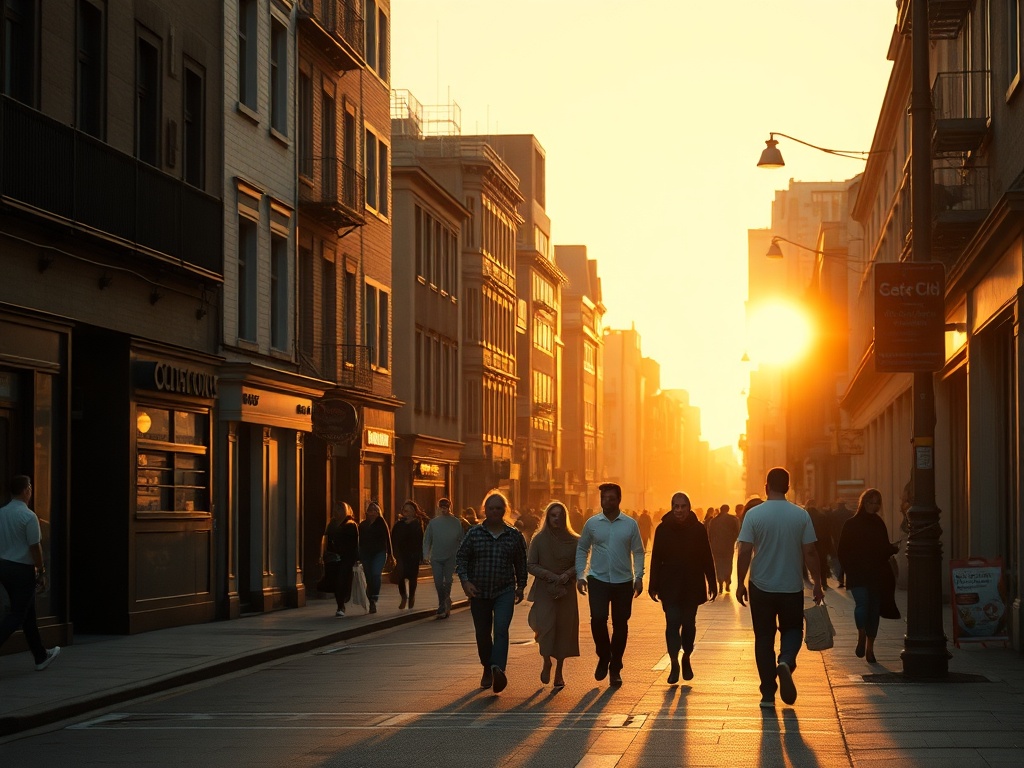
The fastest way to ruin a city is to turn it into a list. Landmarks matter, sure—but they’re not the city. They’re just the obvious parts.
Instead of trying to hit everything, pick a few anchor points and let the rest of your time unfold around them. A museum in the morning, a neighborhood in the afternoon, a bar at night. That’s enough structure.
The real moments happen in between: the walk, the coffee stop, the random street you didn’t plan to explore.
Choose Neighborhoods Over Attractions
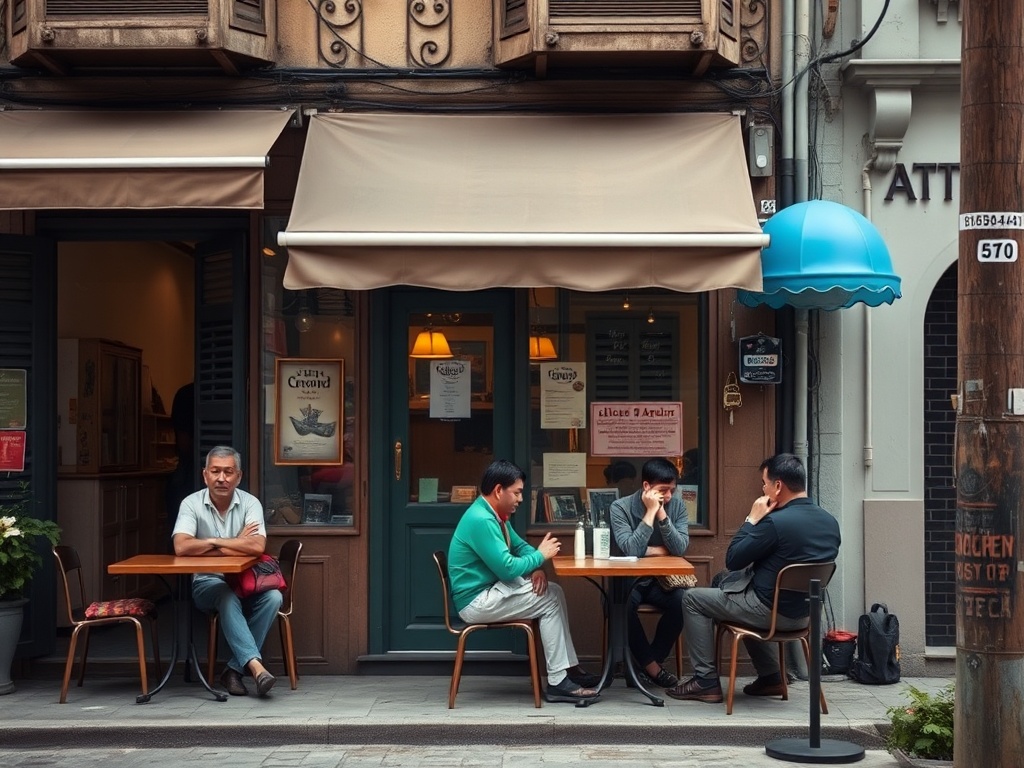
Every city has a personality, but it’s rarely concentrated in one place. It’s spread across neighborhoods—each with its own pace, architecture, and social vibe.
Pick 2–3 neighborhoods and spend real time there. Walk without a destination. Sit somewhere and watch how people move. Notice where locals go at different times of day.
Tourist zones are designed for you. Neighborhoods are designed for the people who live there.
What to Look For
- Morning rituals: bakeries, coffee lines, school runs
- Midday flow: lunch spots, parks, quiet streets
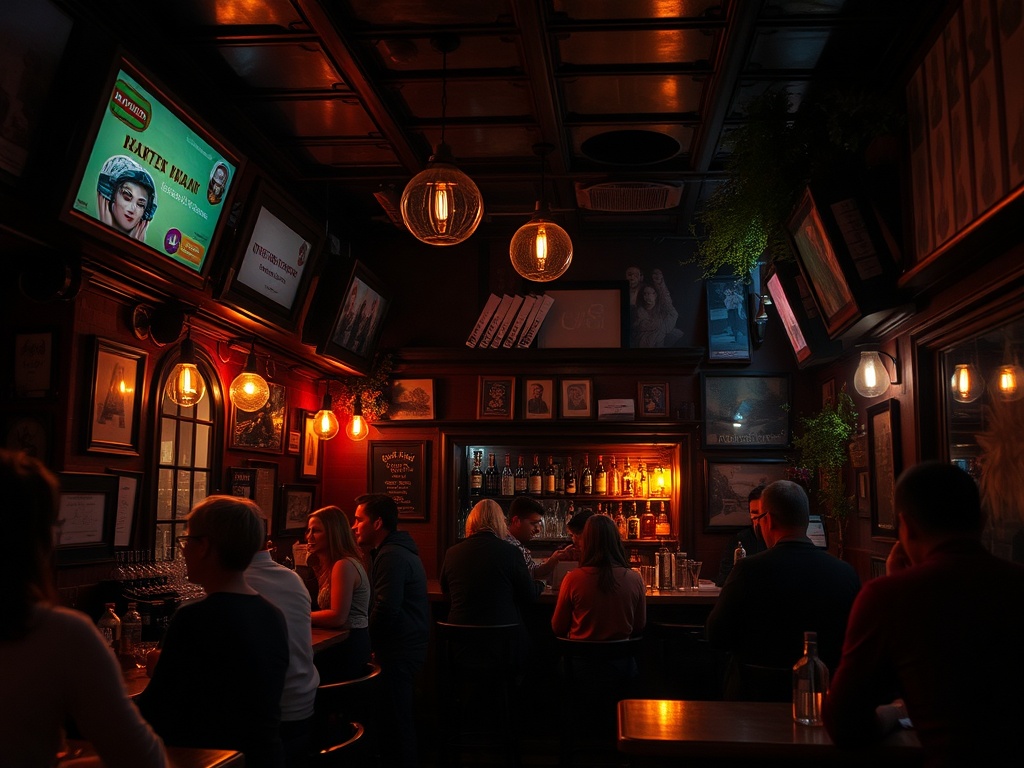
- Evening energy: bars, restaurants, public squares
Eat Where the City Actually Eats
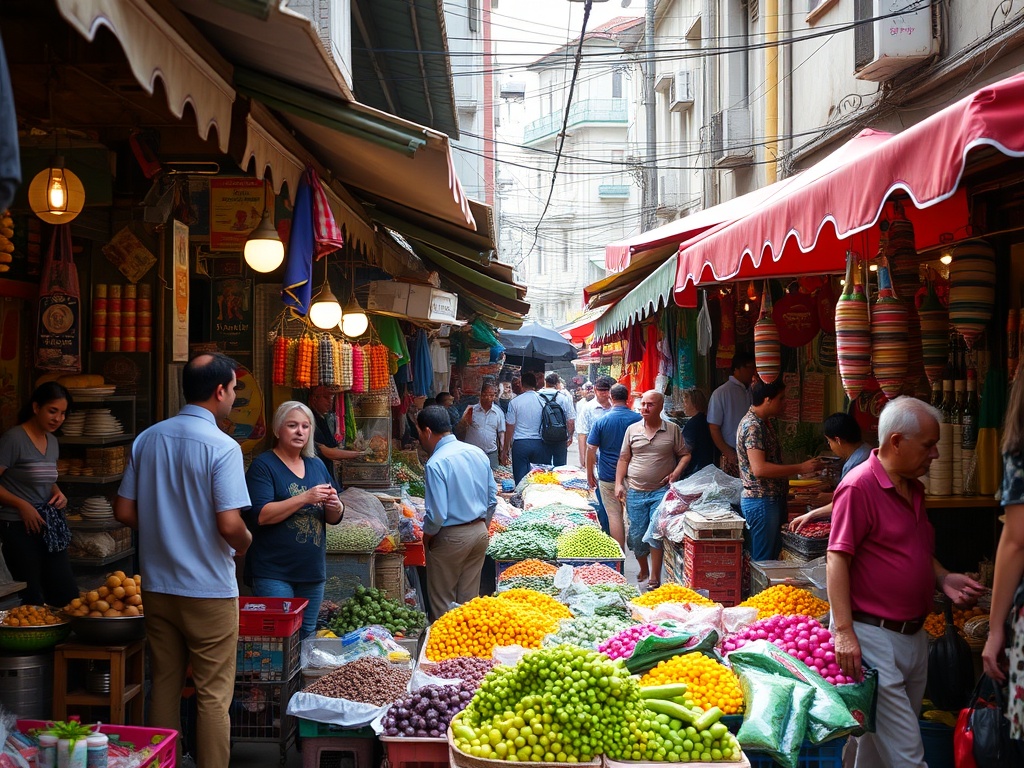
If a place has a line of tourists, it’s probably not where locals go regularly. That doesn’t make it bad—but it does make it less representative.
Look for spots that feel embedded in daily life. Places where people are eating alone, grabbing quick meals, or meeting friends after work.
Better yet, shift your timing. Eat earlier or later than peak tourist hours. The crowd changes, and so does the experience.
Simple Food Rules
- If the menu is translated into five languages, it’s probably not local-focused
- If you see repeat customers, you’re in the right place
- If it feels slightly uncomfortable or unfamiliar, that’s a good sign
Use Public Transit—Even If You Don’t Have To
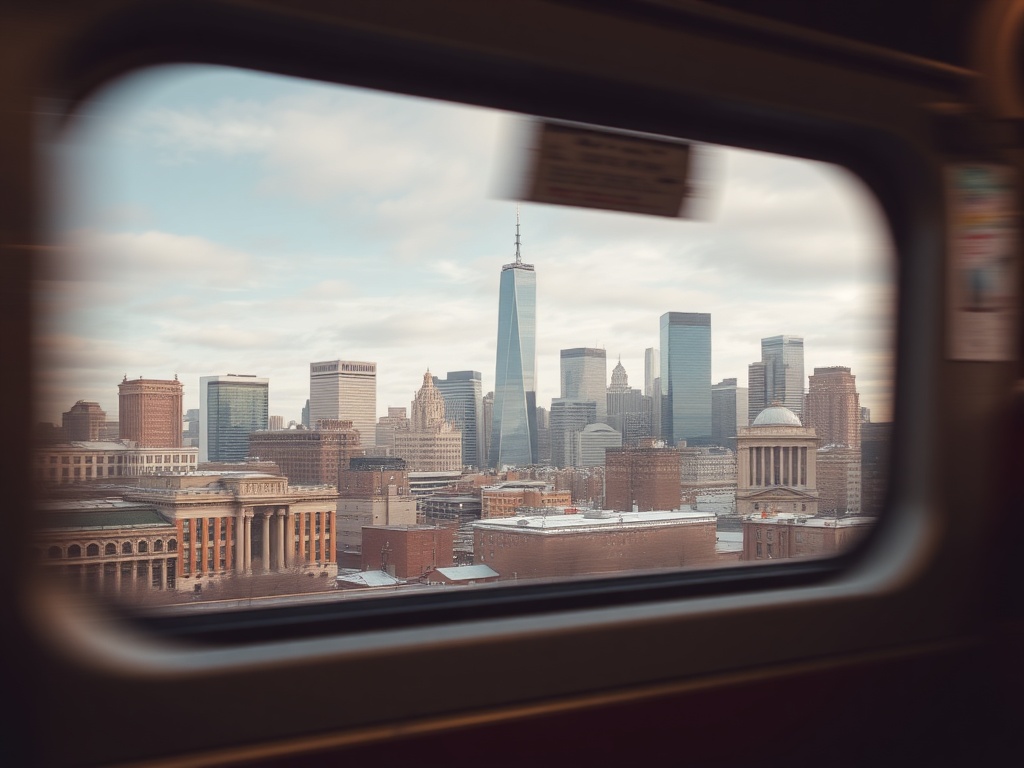
Ride the subway. Take the bus. Walk longer routes than necessary. This is where you start to understand how a city functions.
Public transit exposes you to the real pace of life. You see how people commute, how neighborhoods connect, and how the city breathes throughout the day.
It’s not always convenient. That’s the point.
Build a Daily Rhythm Instead of an Itinerary
Locals don’t optimize every hour. They move through the day with a rhythm—coffee, work, errands, downtime, social time.
You can replicate that rhythm, even as a visitor.
A Simple Framework
- Morning: slow start, coffee, walking
- Midday: one planned activity
- Afternoon: wandering, shopping, resting
- Evening: food, drinks, social spaces
This structure gives you freedom without chaos. You’re not rushing, but you’re also not wasting time.
Learn the Unwritten Rules
Every city has invisible etiquette. How loud people speak. Whether you tip. How long you stay at a table. When it’s okay to make eye contact.
Watch before you act. Notice how locals behave in different settings and mirror that energy.
This is the difference between visiting and blending in.
Talk to People—But Do It Right
You don’t need deep conversations. Just small interactions: ordering food, asking for directions, making a quick comment.
The key is context. Don’t interrupt. Don’t force it. Let interactions happen naturally.
When they do, they often lead to better recommendations than anything you’ll find online.
Make Space for Doing Nothing
This is where most travel advice fails. It tries to fill every gap.
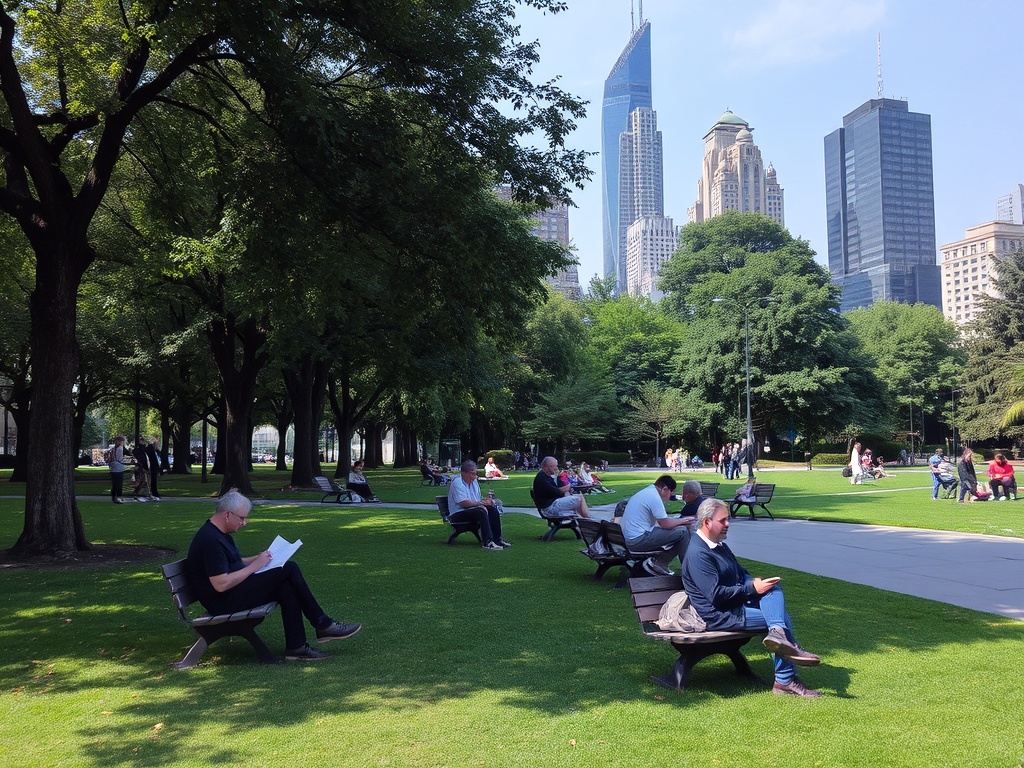
But cities reveal themselves when you slow down. Sit in a park. Watch a street corner. Stay longer than necessary.
What feels like “nothing” is often where you notice the most.
Don’t Chase Authenticity—Notice It
“Authentic” is overused and often misunderstood. You don’t find authenticity by chasing it. You notice it when you’re paying attention.
It’s in small things: how people order coffee, how neighborhoods change block to block, how the city sounds at night.
If you’re constantly trying to find the “real” version of a place, you’ll miss what’s already in front of you.
Final Thought: Belonging Is a Mindset
You’re not going to become a local in a weekend. That’s not the goal.
The goal is to move through a city with awareness and respect—to engage with it on its terms, not yours.
Do that, and the experience changes completely. The city stops being something you consume and starts being something you understand.