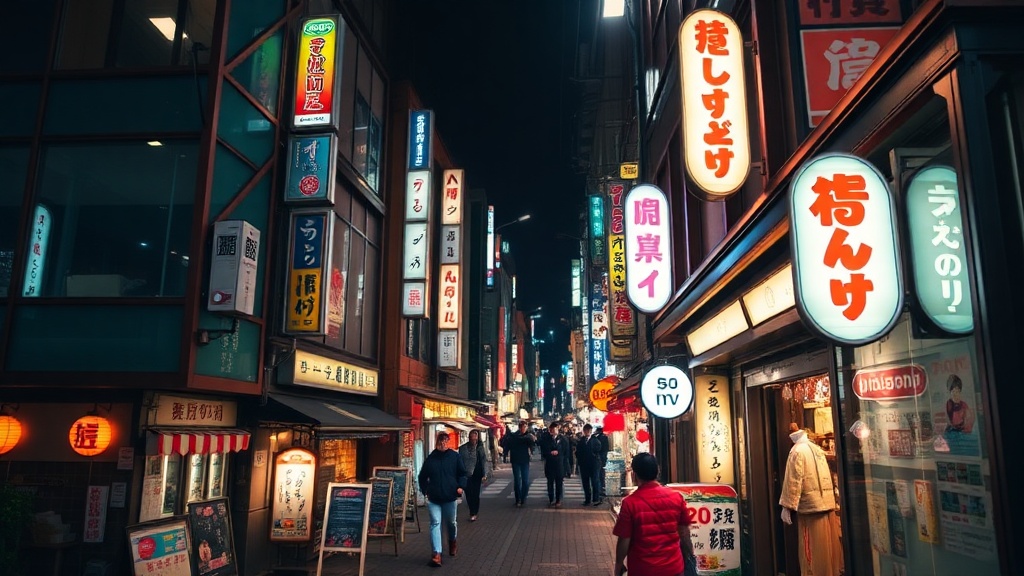
Hidden Tokyo: A Local's Guide to the City's Best-Kept Secrets

Tokyo's neon-lit main arteries—Shibuya, Shinjuku, Ginza—draw millions annually. But the city's real character hides in quiet alleyways, century-old bars, and neighborhoods the guidebooks barely touch. This guide maps out underground jazz clubs, secret gardens, family-run izakayas, and shopping streets where locals actually spend their weekends. Skip the queues at Tokyo Skytree. These spots offer something better—authenticity.
Where Do Locals Eat When Tourists Flood Shibuya?
They head to Yanaka Ginza. This narrow shopping street in the old Nippori district feels frozen in Showa-era Japan—think 1950s to 1980s. No towering department stores. Just about sixty independent shops selling grilled rice balls, hand-carved wooden spatulas, and pickled vegetables in ceramic crocks.
Start at Hantei, a skewer restaurant operating since 1917. The menu hasn't changed much. You'll get perfectly grilled kushikatsu—breaded meat and vegetable skewers—served in set courses. The building itself deserves attention: dark wood beams, paper lanterns, and the kind of cramped seating that forces conversation with neighbors.
Down the street, Andersen (yes, the Danish bakery) sells melon pan that locals queue for every morning. Worth noting—this isn't fancy artisan bread. It's comfort food. A sweet, crackly crust with soft white interior, best eaten while walking toward Yanaka Cemetery to see the cherry trees.
For dinner, duck into Nenoi. No English menu. Point at photos or the plastic food display in the window. The nikujaga—simmered beef and potatoes—tastes like someone's grandmother made it. (She probably did. The owner's mother still works the kitchen on weekends.)
What Tokyo Neighborhoods Feel Completely Different from the Rest?
Shimokitazawa and Kagurazaka offer antidotes to Tokyo's polished, efficient surface. They're messy. They're stubborn. They refuse to modernize.
Shimokitazawa sits twenty minutes by train from Shibuya. Vintage clothing dominates here—over six hundred secondhand shops in a walkable radius. Flamingo stocks 1970s American workwear. New York Joe Exchange (despite the name) sells curated Japanese streetwear from the 1990s. Prices run lower than equivalent shops in Harajuku, and the sellers actually know fashion history—not just trend cycles.
The neighborhood's music scene punches above its weight. Shimokitazawa Shelter hosts indie bands most nights. The venue holds maybe two hundred people. The sound system? surprisingly excellent. You might see tomorrow's biggest Japanese rock act playing to forty fans.
Kagurazaka offers something else entirely. This former geisha district retains its stone-paved backstreets and hidden French bistros (the area housed the French community in the early 1900s). At Torishin, you'll eat kappo cuisine—multiple small courses where the chef cooks before you. It's not cheap. Lunch runs ¥8,000–¥12,000. But dinner at comparable spots in Ginza costs triple.
Shimokitazawa vs. Kagurazaka: A Quick Comparison
| Shimokitazawa | Kagurazaka | |
|---|---|---|
| Vibe | Youthful, vintage, music-focused | Adult, traditional, culinary |
| Best For | Shopping, live music, café-hopping | Fine dining, evening strolls, photography |
| Budget | ¥1,000–¥5,000 per person | ¥5,000–¥15,000 per person |
| Nearest Station | Shimokitazawa (Odakyu/Keio Inokashira) | Iidabashi (JR/Tozai/Yurakucho/Namboku) |
| Hidden Gem | Theatre 711 (micro-cinema) | Akagi Shrine (modern architecture) |
Are There Quiet Spaces in Central Tokyo?
Yes. Several. The trick is knowing when to visit.
Institute for Nature Study sits in Meguro, fifteen minutes from Shibuya. It's not a garden—it's a preserved forest. The site protected this land from development since 1949. You'll walk boardwalks through marshland, past 200-year-old oaks, probably alone. The catch? It's closed Mondays and whenever it rains heavily. Check the official website before visiting.
Kyū Yasuda Teien Gardens in Ryogoku offers something rarer—an Edo-period garden with a modern twist. The traditional pond and teahouse remain. But the 1920s addition of a Western-style arbor creates odd, beautiful juxtapositions. Visit at 7 AM. Locals practice tai chi near the water. You'll have the place nearly empty.
For complete escape, take the train to Hamarikyu Gardens. Yes, it's somewhat known. But most tourists enter through the main gate, snap photos of the tea house, and leave. Walk the entire perimeter instead. The garden borders Tokyo Bay—industrial cranes visible beyond the pine trees, creating a strange dialogue between nature and machine. The saltwater moat (unique among Tokyo gardens) changes level with the tides.
Where Can You Experience Tokyo's Underground Music Scene?
Shinjuku's Golden Gai gets the press—two hundred tiny bars in six narrow alleys. It's worth one drink. But the real music hides elsewhere.
Pit Inn in Shinjuku has hosted jazz since 1966. The space fits sixty people maximum. Musicians play two sets nightly—early (around 6 PM) and late (around 8:30 PM). The cover charge includes one drink. You'll hear Japanese jazz legends, young experimentalists, and occasionally touring American musicians who specifically request this venue.
In Koenji, 20,000V (Twenty Thousand Volts) books punk, noise, and experimental acts. The sound is aggressive. The crowd is devoted. And the venue's size—basement level, capacity around one hundred—means you're never far from the amplifiers.
For something between these extremes, try Shinjuku Loft. Operating since 1971, it's launched careers for Japanese rock bands like RC Succession and Buck-Tick. The booking remains eclectic—one night might feature ambient electronic music, the next a hardcore punk bill.
Three Hidden Bars Worth Finding
- Ben Fiddich (Shinjuku): No sign. Third floor of an unmarked building. The bartender grows many ingredients on his family farm. Cocktails use house-made bitters, foraged herbs, and techniques that resemble alchemy.
- Bar Gen Yamamoto (Azabu-Juban): Omakase cocktail tasting—six drinks paired with small plates. Reservations essential. Each cocktail builds on the previous one. The experience takes ninety minutes.
- Bar Kage (Golden Gai): Ignore the tourist bars with "no foreigners" signs. This one welcomes everyone. The owner speaks English and stocks rare Japanese whiskies at reasonable prices. Ask for the Hanyu if they have it.
What Should You Know About Tokyo's Smaller Museums?
The big institutions—the Tokyo National Museum, Mori Art Museum, teamLab Borderless—deserve their reputations. But Tokyo's specialized museums offer stranger, more specific experiences.
The Tobacco and Salt Museum (yes, really) moved to a striking modern building in Sumida in 2015. The collection traces how these two government monopolies shaped Japanese history. Exhibits include 17th-century pipes, Edo-period advertising woodblocks, and surprisingly beautiful salt crystals from around the world. It's free. You'll spend ninety minutes there wondering why it works so well.
Nezu Museum in Minato combines pre-modern Japanese art with garden design. The collection—tea ceremony utensils, Chinese bronzes, Buddhist sculpture—sits in dark galleries that force slow looking. Then you exit to the garden: two acres of paths winding past mossy stones and a teahouse. Fewer visitors than the better-known Japan Folk Crafts Museum, despite superior art.
For contemporary work, skip the Mori Art Museum's crowds. Try SCAI The Bathhouse in Yanaka. The gallery occupies a 200-year-old public bathhouse—tile walls, wooden lockers, the works. Artists like Mariko Mori and Anish Kapoor have shown here. The contrast between ancient architecture and cutting-edge work creates genuine tension.
"Tokyo rewards the walker. The city's best experiences aren't in guidebooks—they're behind unmarked doors, up uninviting staircases, at the end of alleyways that seem to lead nowhere."
Practical Notes for Exploring Hidden Tokyo
Most of these locations don't cater to English speakers. That's the point. Download Google Translate with the camera function—essential for reading menus. Carry cash. Many small restaurants and bars refuse cards.
Timing matters enormously. Yanaka Ginza shops close early—many by 6 PM. Jazz clubs often don't open until evening. Museums typically close Mondays. Check individual websites; Tokyo's smaller establishments change schedules without warning.
Transportation is straightforward but requires planning. These neighborhoods aren't connected by the convenient JR Yamanote Line that loops central Tokyo. You'll use the Metro subway lines, private railways like the Odakyu and Keio, and buses. Buy a Suica or Pasmo IC card immediately upon arrival. It works on virtually all transit and many convenience stores.
The city's hidden corners don't reveal themselves quickly. Rushing misses the point. Spend three hours in one neighborhood rather than trying to check multiple districts. Order another drink. Wait for the garden to empty. Tokyo's secrets require patience—but they reward it generously.