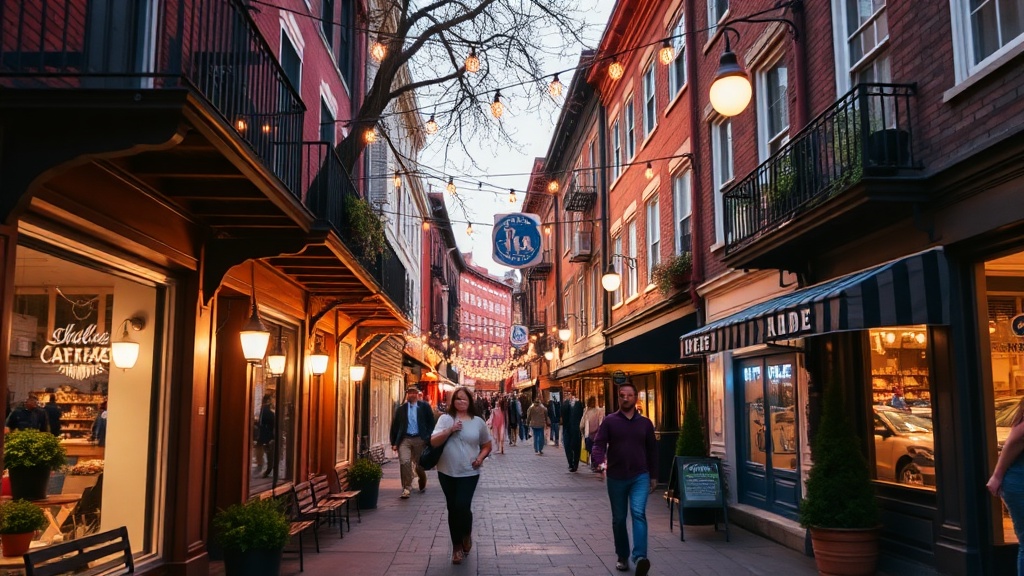
Finding Hidden Gems in the Most Popular Tourist Neighborhoods

Most travelers assume that the most popular neighborhoods in any major city are strictly for tourists and overpriced souvenir shops. They think the "real" culture only exists in the outskirts or the gritty industrial districts. This is a mistake. The most iconic neighborhoods often house the highest concentration of high-quality, authentic experiences—you just have to know where to look. This guide breaks down how to bypass the tourist traps in popular districts to find the actual local favorites.
How Do You Find Authentic Food in Tourist Zones?
Look for establishments that don't have English-only menus or large-scale signage in the window. While a menu in English is helpful, a place that caters primarily to the local demographic usually offers better value and more traditional flavors. If a restaurant has a massive line of people holding smartphones and looking lost, you're likely in a trap. If you see people eating quickly, standing up, or sitting in groups of locals, you've found a winner.
Check the turnover rate. A high turnover rate isn't always a bad thing—it often means the food is fresh and the prices are right. Avoid places that try to sell you "tours" or "experiences" right at the entrance. Real food culture is about the food, not the pitch. You might find that a small, nondesceded shop near a major landmark serves a better lunch than the highly-rated bistro on the main drag.
One way to verify quality is to check the menu against local food standards. For instance, if you are in a city known for a specific dish, a reputable place will focus on that rather than offering a generic global menu. You can often cross-reference local culinary standards through gastronomy resources on Wikipedia to see what a traditional dish should actually look and taste like.
Pro-tip: Look at the trash cans. It sounds gross, but if the surrounding streets are littered with discarded high-end takeout containers, it’s a sign of a high-density food area. If the streets are clean and quiet, you might be in a "sanitized" zone designed only for walking tours.
What Is the Best Way to Avoid Overpriced Souvenirs?
The best way to avoid overpriced souvenirs is to shop in the side streets that run perpendicular to the main tourist thoroughfare. Most "tourist" shops are actually just franchises or highly curated boutiques that sell mass-produced items with a local-looking sticker. These items are often made in factories far from the city you're currently visiting.
Instead, look for shops that sell functional goods. If you see a shop selling high-quality kitchenware, leather goods, or even stationery, you've likely found a place that serves the actual residents. These items are often much more durable and carry more cultural weight than a cheap magnet or a t-shirt. For example, if you're in a city known for its textiles, find a shop that sells actual fabric or thread, not just a printed tote bag.
Use this checklist to vet a shop before you buy:
- The "Made In" Test: Does the item actually state where it was produced?
- The Price-to-Quality Ratio: Does the item feel like it was made by a person or a machine?
- The Utility Factor: Is this something you would actually use at home, or is it just a trinket?
- The Staff Interaction: Are the employees acting like sales reps or just doing their jobs?
If you find yourself wanting to shop for more than just trinkets, you might find that a more structured approach to your shopping helps. If you're prone to overspending on useless things, you should consider how to plan a weekend city break on any budget to keep your expenses in check.
How Can You Find Quiet Spots in Crowded Areas?
Search for "pocket parks," religious sites, or public libraries. These locations are often overlooked by the massive tour groups that dominate the main squares. A city's public library or a local community center is a goldmine for finding a quiet place to sit and people-watch without being bumped by a selfie stick. Even a small, unnamed courtyard between two buildings can offer a moment of peace.
Don't just look for parks; look for verticality. Many popular neighborhoods are built on hills or have multi-level streets. Often, the higher you go, the quieter it gets. A rooftop garden or a higher terrace can provide the same view as the crowded landmark below, but with a fraction of the noise. This is a great way to enjoy the scenery without the headache of a crowd.
Common "Quiet" Archetypes:
- Public Libraries: Great for AC, Wi-Fi, and absolute silence.
- Botanical Gardens: Usually have strict rules about noise and movement.
- Art Gallery Courtyards: Often tucked away behind larger museums.
- University Campuses: Usually offer a mix of green space and way more breathing room than a central plaza.
It's worth noting that even these spots can get busy. If you see a group of people with matching hats or umbrellas, they are likely a guided tour. Walk the other way. If you're looking for a more meaningful way to engage with the city's history beyond the loud, crowded landmarks, check out our thoughts on why your itinerary might be too rigid. It'll help you embrace the spontaneity of finding these quiet pockets.
When you're looking for a place to rest, don't just look for a bench. Look for a cafe with a "no laptop" policy or a small local bakery. These places often have a much more relaxed atmosphere than the high-turnover coffee chains you see on every corner. You'll get better service and a much better sense of the local rhythm.
| Type of Location | Typical Vibe | Best For... |
|---|---|---|
| Main Square | High Energy / Chaotic | People-watching and quick photos |
| Side Street Cafe | Relaxed / Local | Long lunches and reading |
| Public Library | Silent / Focused | Escaping heat or crowds |
| Pocket Park | Quiet / Natural | Brief mental breaks |
The goal isn't to avoid the popular areas entirely—they're popular for a reason. They're often the most beautiful and central parts of a city. The goal is to treat them as a backdrop rather than your entire experience. Once you've seen the big monument or the famous statue, turn a corner. Walk one block into a residential street. The real magic happens when you stop following the crowd and start following your curiosity.
If you're traveling with a group, this becomes even more important. Groups tend to move like a single organism, blocking sidewalks and creating a vacuum of movement. If you're with a large party, try to split up for an hour. Let one person find a local coffee shop while the others look at the main landmark. You'll come back together with much better stories to tell.
Remember, the best way to experience a city is to live in it for a few hours, not just pass through it. Whether you're in London, Tokyo, or right here in Tucson, the most interesting things aren't always on the map. They're in the gaps between the landmarks. Find those gaps, and you'll find the real soul of the city.