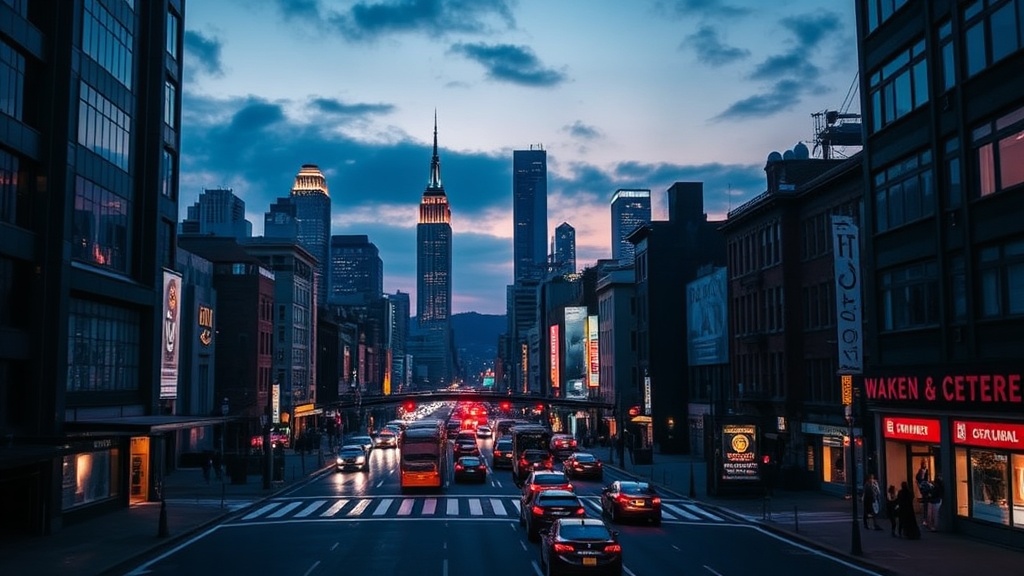
15 Cities That Completely Change Personality After Dark (And Why You Should Stay Out Late)
Tokyo, Japan — Neon, Silence, and Controlled Chaos
New York City, USA — The Real City Wakes Up
Paris, France — From Museum to Mood
Bangkok, Thailand — Heat, Noise, and Energy Amplified
Berlin, Germany — Where Time Stops Existing
Dubai, UAE — Desert Heat to Midnight Luxury
Mexico City, Mexico — Culture Turns Social
Istanbul, Turkey — Where Continents Meet After Dark
Las Vegas, USA — Built for the Night
Hong Kong — Vertical Energy Unleashed
Barcelona, Spain — A City That Starts Late
Seoul, South Korea — Lights, Food, and Endless Motion
Marrakech, Morocco — The Medina Comes Alive
London, UK — From Formal to Electric
Rio de Janeiro, Brazil — Rhythm After Sunset
Some cities are predictable. They move in a straight line from morning coffee to evening commute, dimming gradually into quiet streets and closed doors. Others flip a switch. The version you meet at noon has almost nothing to do with what emerges after sunset.
This list is about those places—the cities that become louder, stranger, more beautiful, or more honest once the sun disappears. If you’re planning a trip and only seeing them in daylight, you’re missing half the story.
1. Tokyo, Japan — Neon, Silence, and Controlled Chaos
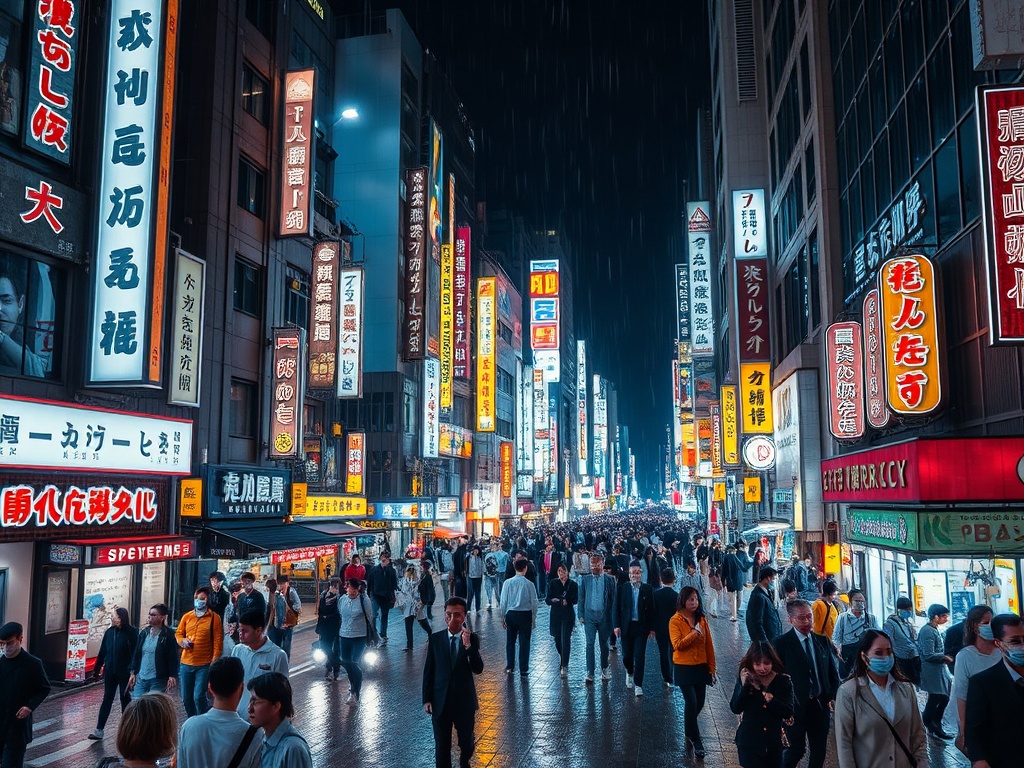
Tokyo during the day is efficient to the point of intimidation. Everything works. Everything is clean. Everything moves with purpose. But after dark, the city loosens its tie.
Shinjuku and Shibuya explode into neon labyrinths where tiny bars hide in alleyways and entire buildings are stacked nightlife ecosystems. Meanwhile, residential streets remain eerily quiet, creating a surreal contrast. It’s not just nightlife—it’s duality.
2. New York City, USA — The Real City Wakes Up
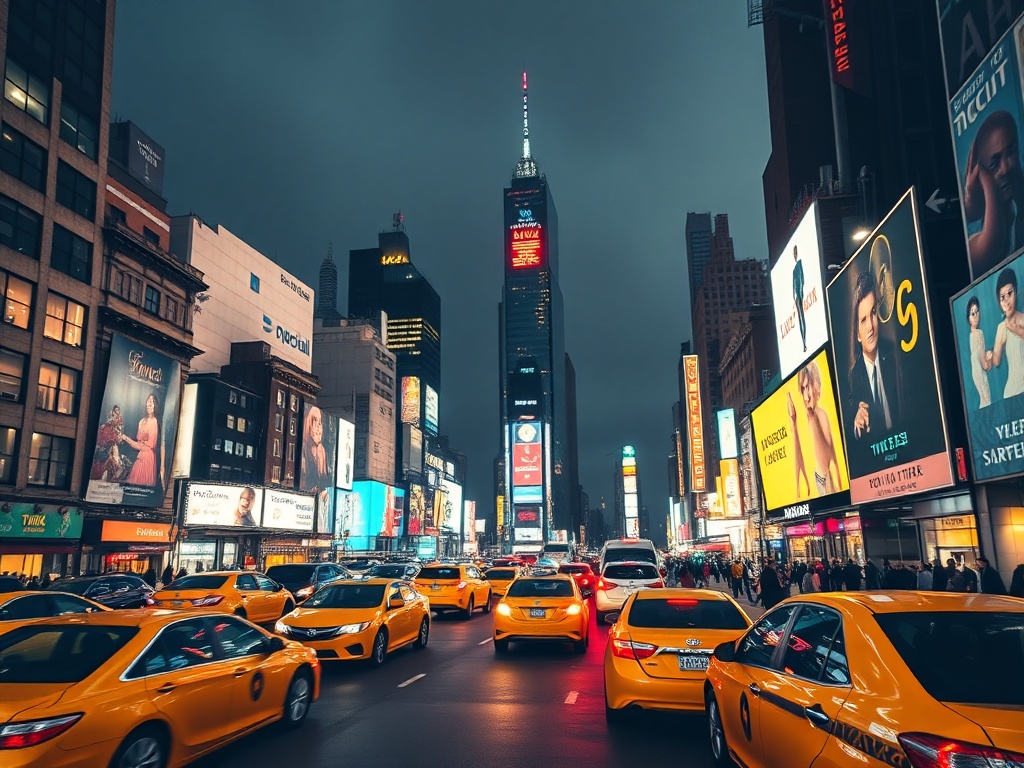
New York doesn’t sleep—it recalibrates. The daytime rush gives way to something more revealing. Restaurants stretch late, subways fill with a different crowd, and neighborhoods develop their own nocturnal identities.
Harlem jazz bars, Brooklyn warehouse parties, and late-night diners all tell different stories. The city becomes less about business and more about personality.
3. Paris, France — From Museum to Mood
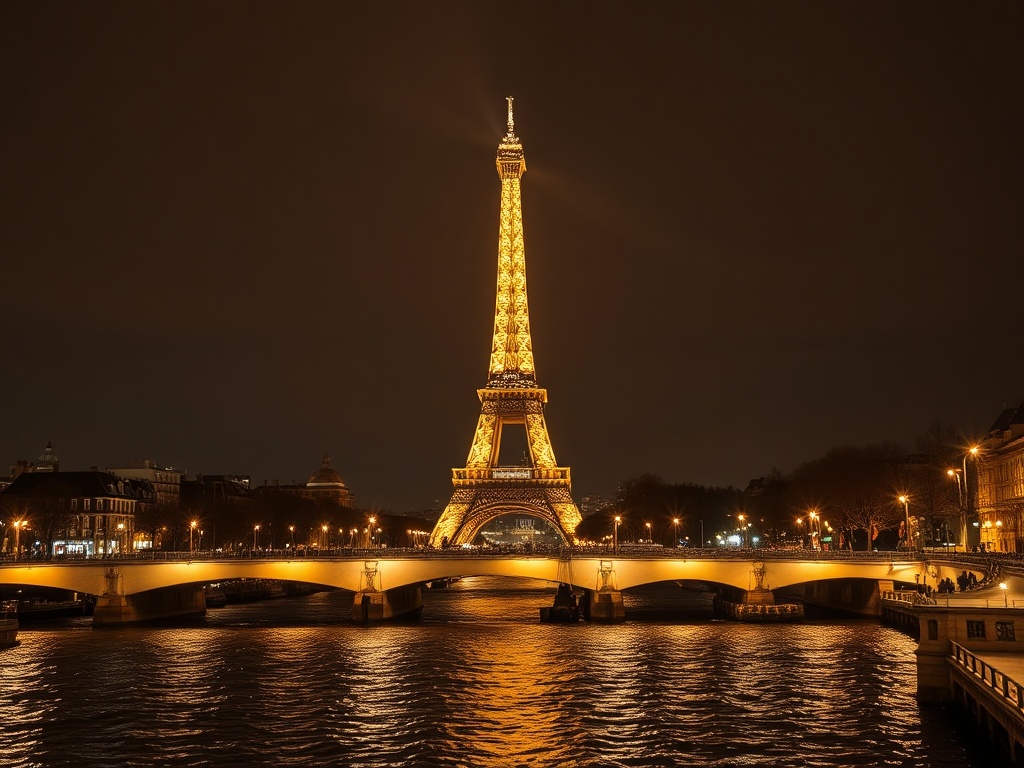
Paris in daylight can feel like a curated exhibit. After sunset, it softens. The lights come on, the Seine reflects gold, and the city trades precision for atmosphere.
Side streets become intimate. Cafés linger longer. The city finally feels like it belongs to people, not postcards.
4. Bangkok, Thailand — Heat, Noise, and Energy Amplified
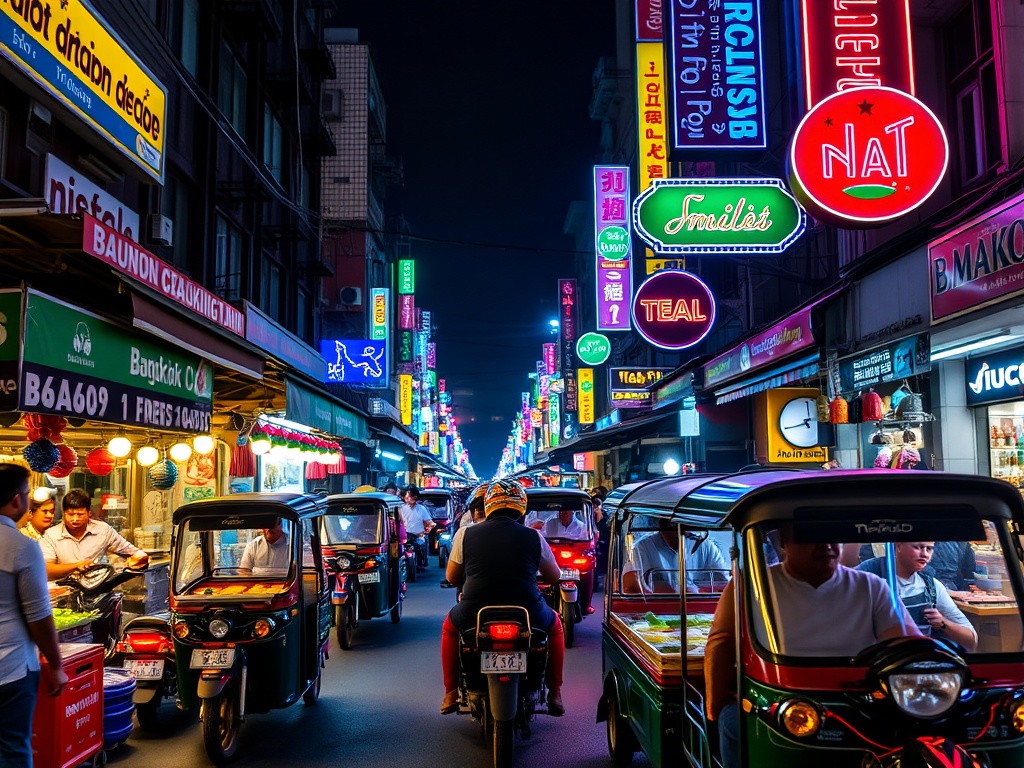
Bangkok doesn’t wind down—it intensifies. Night markets take over sidewalks, street food becomes the main event, and the air feels thicker with motion.
The city’s chaos becomes addictive rather than overwhelming once the sun sets.
5. Berlin, Germany — Where Time Stops Existing
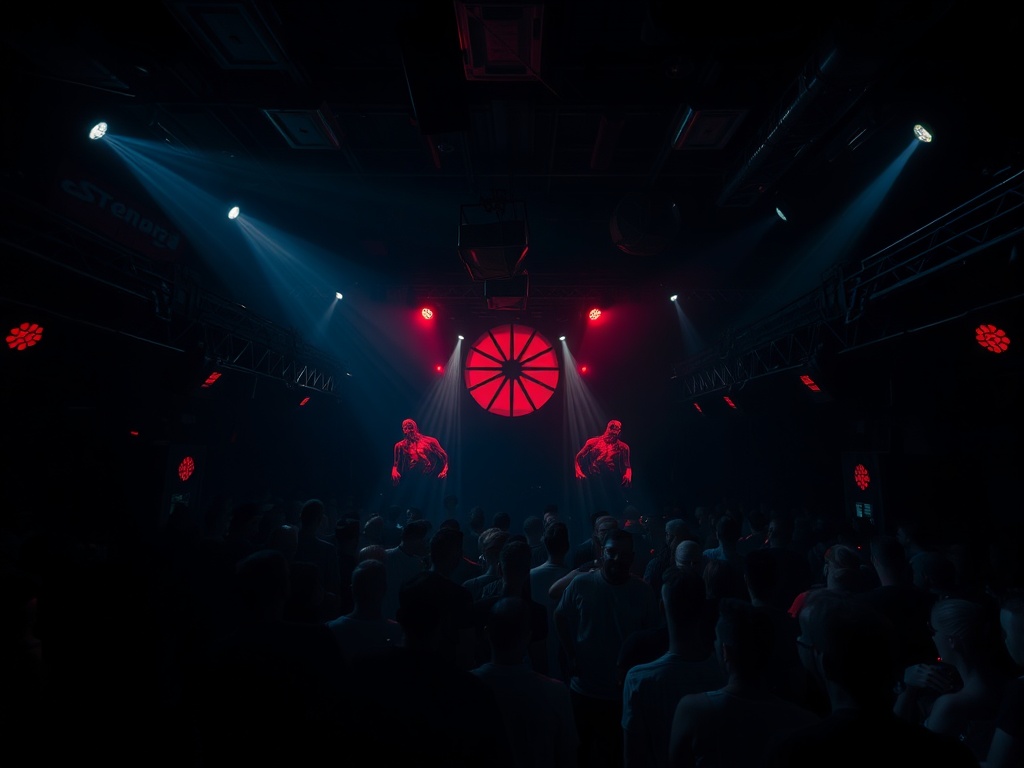
Berlin at night isn’t about going out—it’s about entering a different system. Clubs don’t have closing times. Weekends blur. The city’s identity shifts from historical weight to raw, experimental freedom.
If you understand Berlin at night, you understand Berlin.
6. Dubai, UAE — Desert Heat to Midnight Luxury
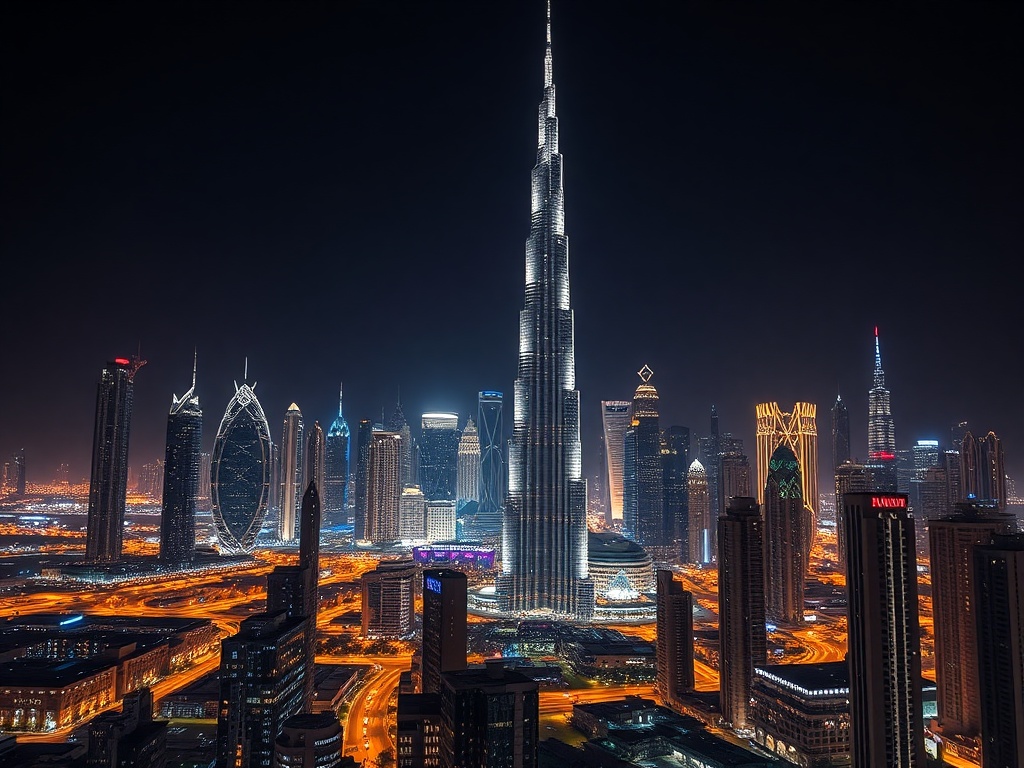
During the day, Dubai can feel harsh—bright sun, heat, and glass towers. At night, it becomes sleek and cinematic. Rooftop lounges, waterfront promenades, and illuminated skyscrapers redefine the experience.
The city finally becomes comfortable—and undeniably impressive.
7. Mexico City, Mexico — Culture Turns Social
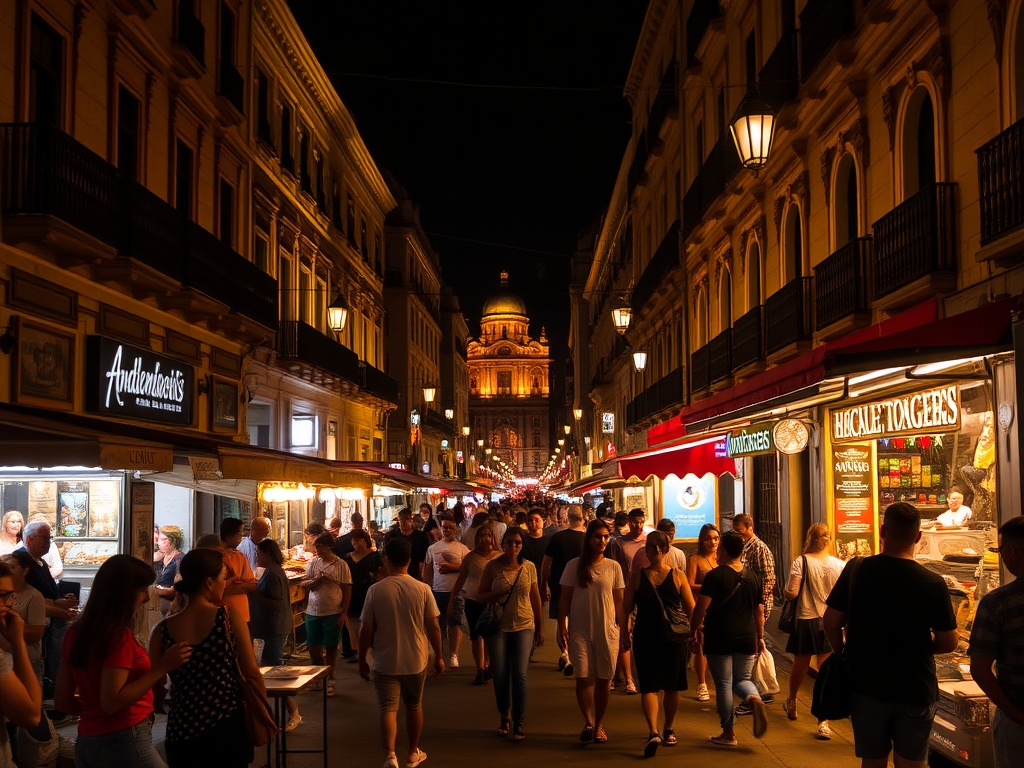
Mexico City’s daytime cultural depth—museums, architecture, history—transforms into social energy at night. Streets fill with music, food stalls, and late dinners that stretch for hours.
It’s less about sightseeing and more about participation.
8. Istanbul, Turkey — Where Continents Meet After Dark
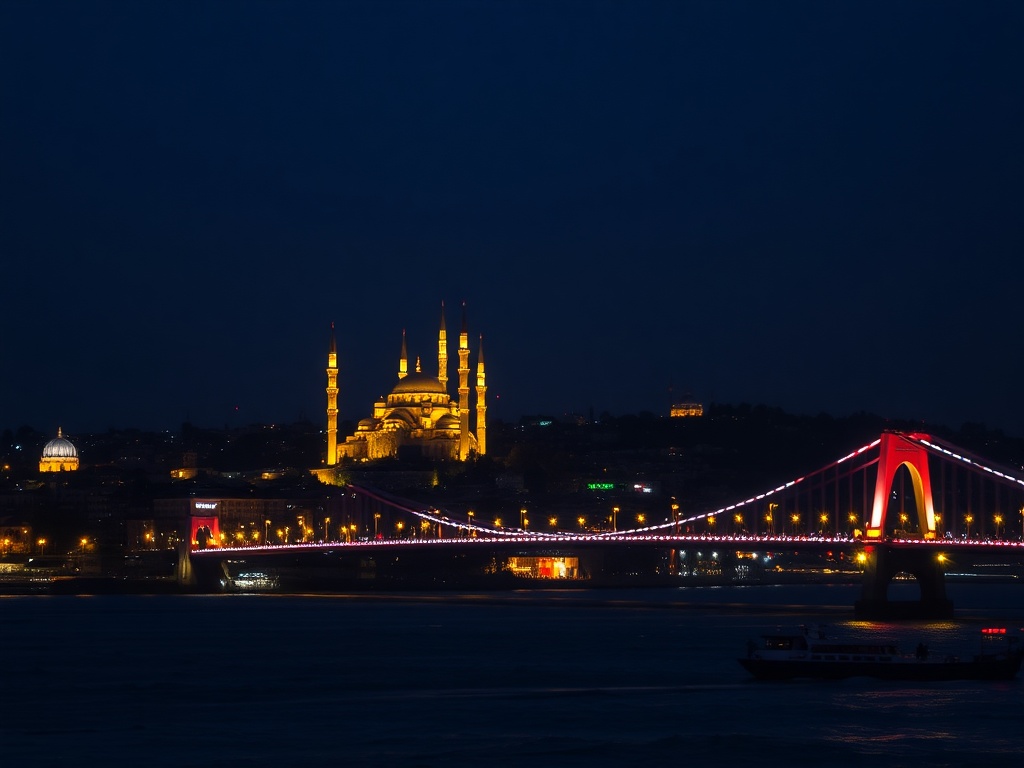
Istanbul already straddles worlds geographically. At night, that tension becomes visible. Mosques glow, ferries move across dark water, and rooftop terraces buzz with conversation.
The city feels layered—history, religion, and modern life all active at once.
9. Las Vegas, USA — Built for the Night
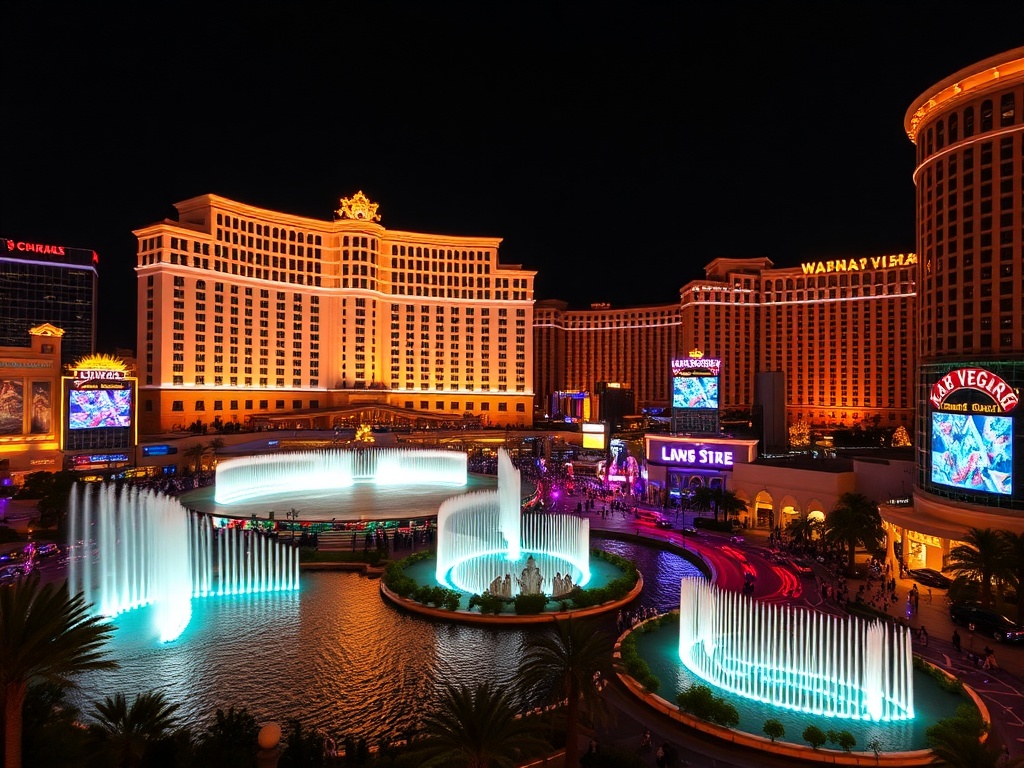
Las Vegas is almost a different city entirely depending on the hour. Daytime exposes the mechanics. Nighttime delivers the illusion.
The lights, shows, and constant motion create a reality that only works after dark.
10. Hong Kong — Vertical Energy Unleashed
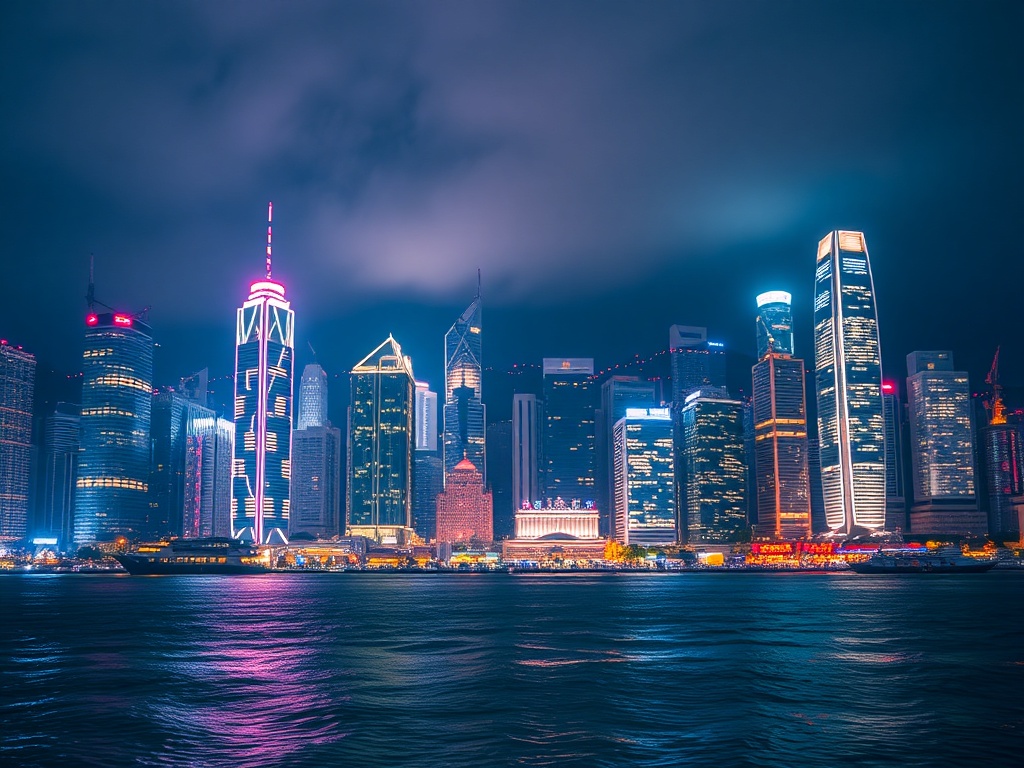
Hong Kong’s density becomes its superpower at night. Lights stack vertically across skyscrapers, and the harbor reflects everything back in motion.
The city feels faster, sharper, and more intense once the sun disappears.
11. Barcelona, Spain — A City That Starts Late
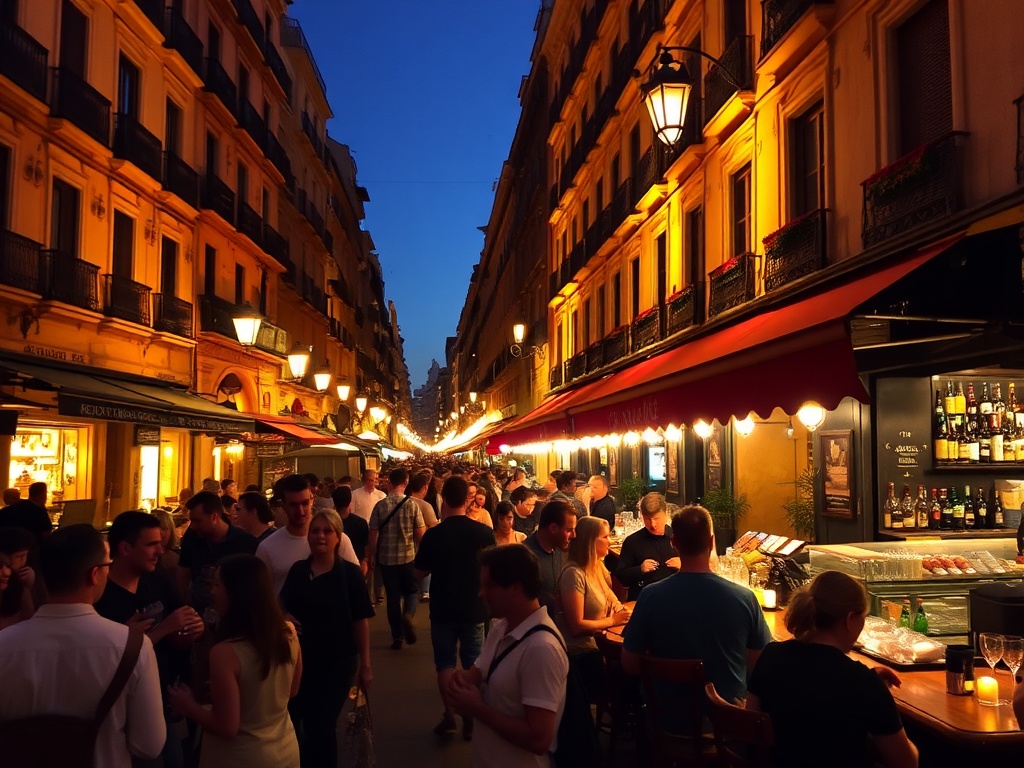
Barcelona ignores conventional schedules. Dinner starts late. Nights stretch even later. The city’s rhythm only makes sense after dark.
What feels slow during the day becomes vibrant and social at night.
12. Seoul, South Korea — Lights, Food, and Endless Motion
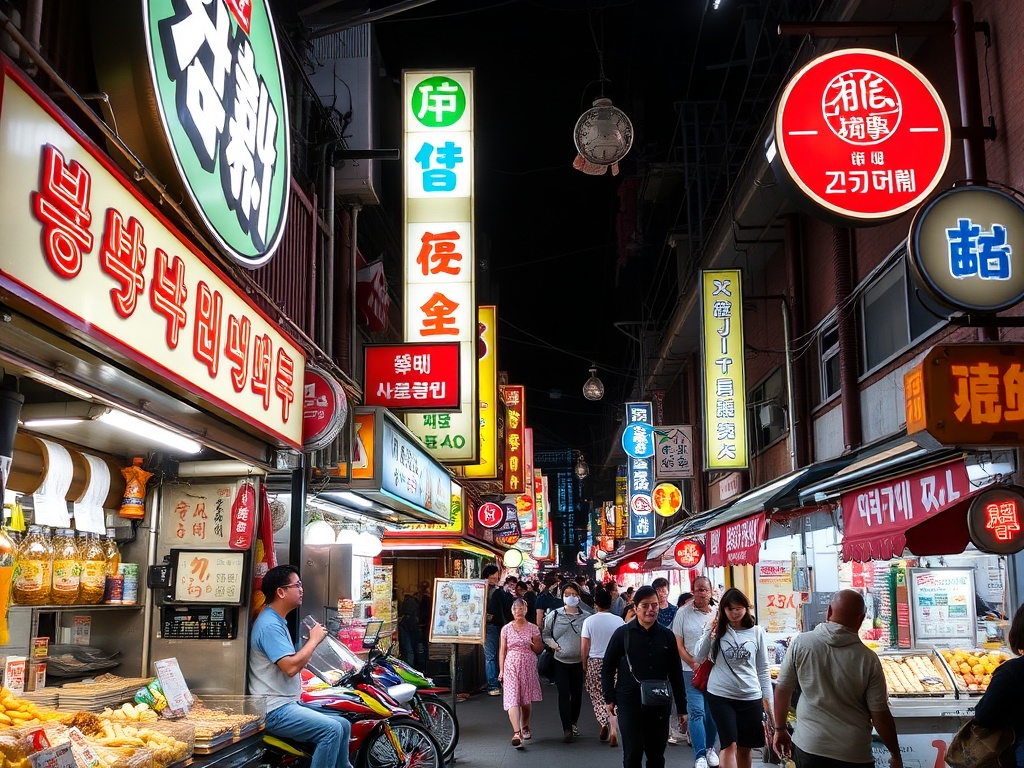
Seoul is relentless in the best way. Night markets, 24-hour cafés, and glowing streets make it feel like the city refuses to pause.
You can eat, shop, and explore indefinitely.
13. Marrakech, Morocco — The Medina Comes Alive
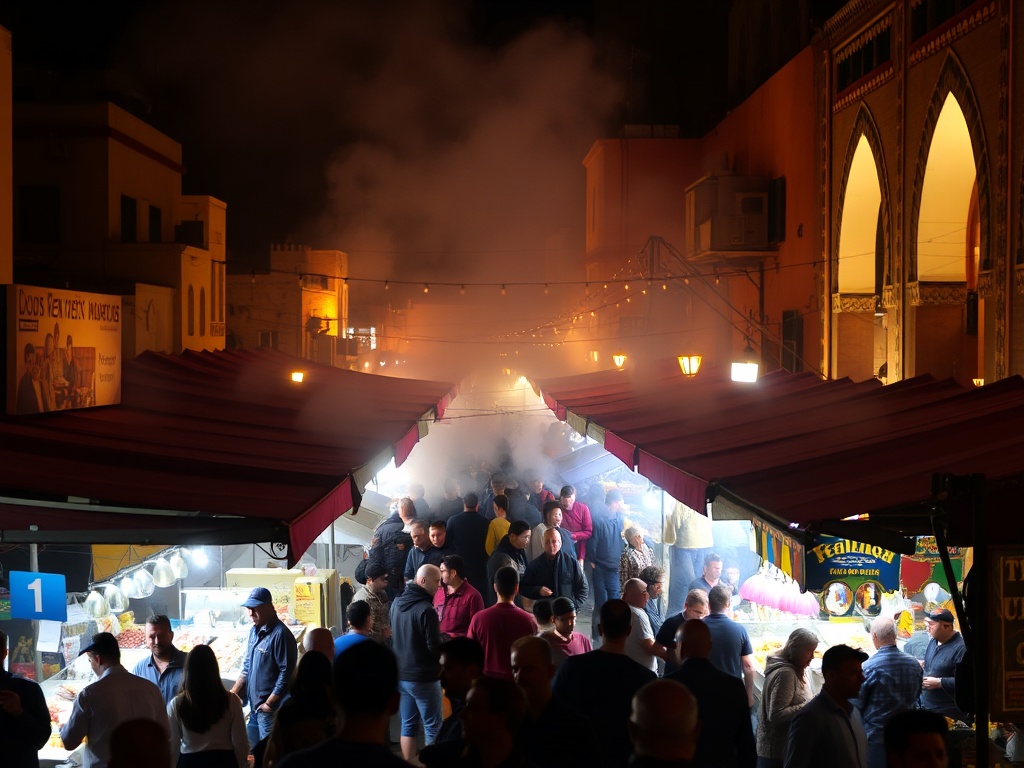
In Marrakech, nightfall transforms the medina into a sensory overload. Smoke rises from grills, performers fill the square, and the entire city feels alive with movement.
It’s chaotic—but unforgettable.
14. London, UK — From Formal to Electric
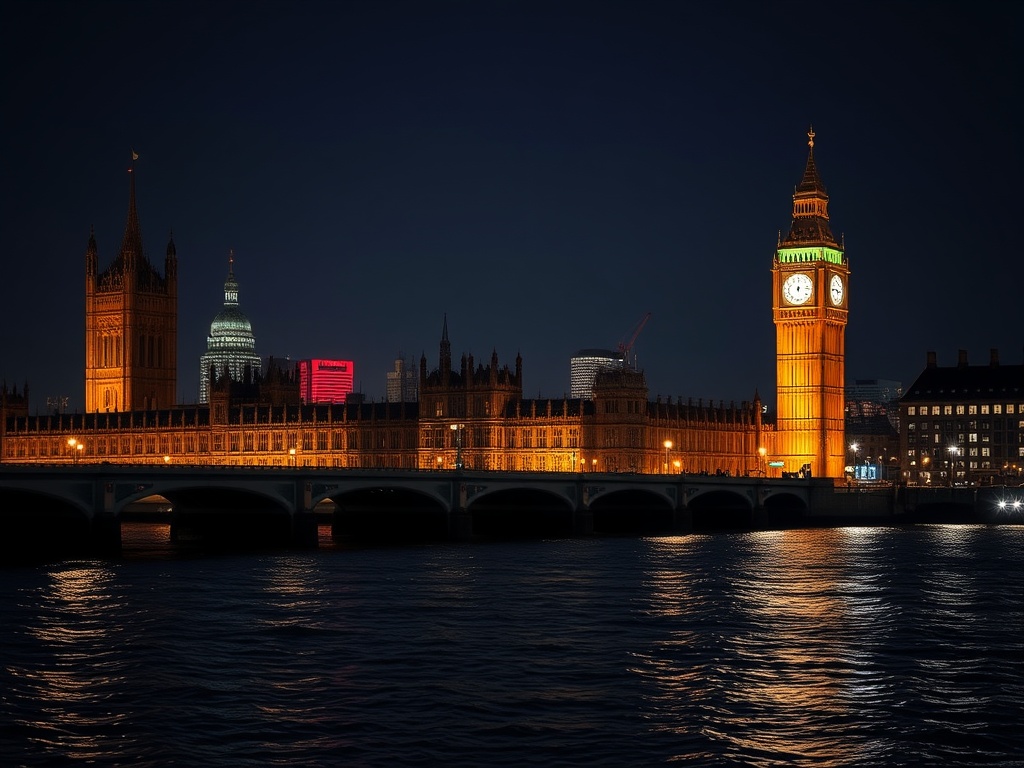
London’s structured daytime persona gives way to something more spontaneous. Pubs overflow, theaters light up, and neighborhoods develop distinct night identities.
The city relaxes—and becomes more interesting.
15. Rio de Janeiro, Brazil — Rhythm After Sunset
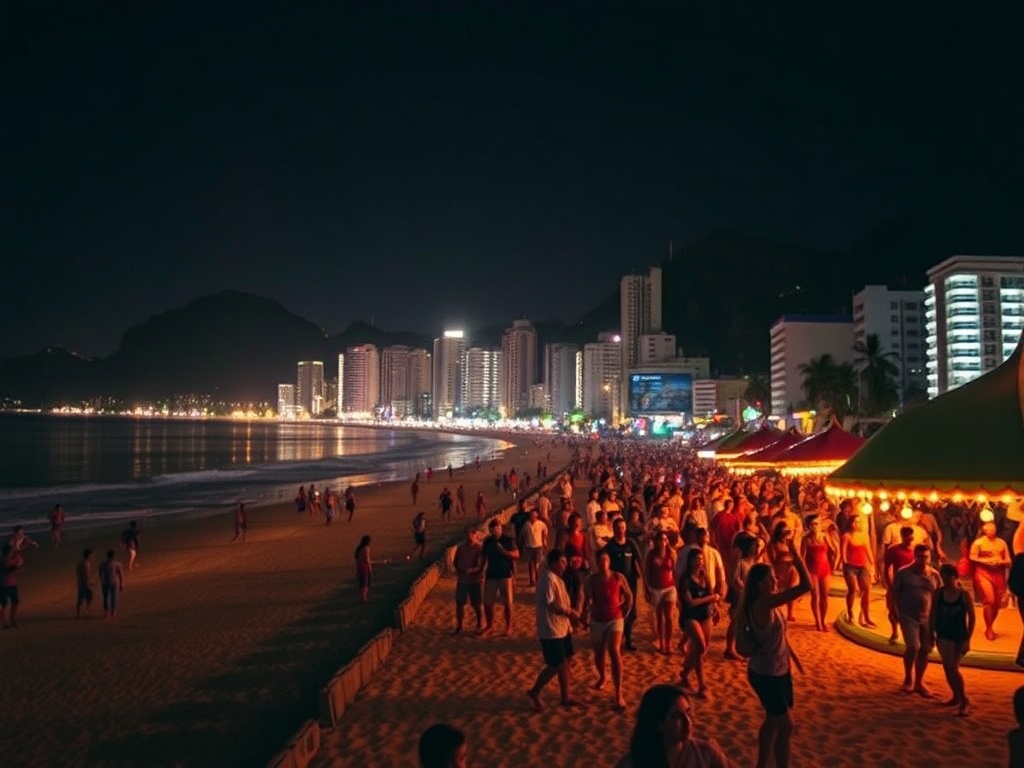
Rio’s natural beauty dominates the day. At night, culture takes over. Music, dance, and beachside gatherings create an entirely different experience.
The city trades scenery for rhythm.
Why Night Matters More Than You Think
Travel guides tend to focus on what you can see. But cities aren’t just visual—they’re behavioral. Night reveals how people actually live, not how places present themselves.
If you want to understand a city, stay out later than planned. Walk without an itinerary. Follow the noise, or the silence. That’s where the real version lives.